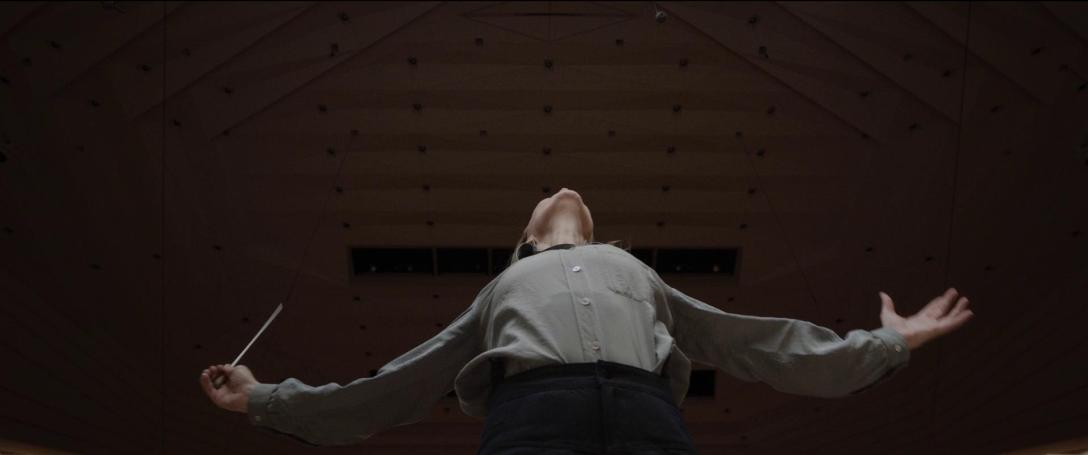
The downfall. The tragic flaw. Today Alex and Jonathan kick off a new series about tragic cinema with three stories where the protagonist is ultimately responsible for their own misery: The Magnificent Ambersons (1942), Brief Encounter (1945), and Tár (2022). We discuss Aristotle’s six elements of tragedy, why tragedy doesn’t necessarily have to have a sad ending, and scaling tragedy from the intimately personal to a societal scale.
Also on Apple Podcasts
Skip to:
- (22:05) – The Magnificent Ambersons
- (50:22) – Brief Encounter
- (1:11:08) – Tár
- (1:46:18) – Overall
- (1:54:35) – Coming Attractions
Resources referenced in this episode:
- READ: Aristotle on the Art of Poetry at Project Gutenberg
- WATCH: Aristotle’s Poetics Explained – And Why It Matters For Screenwriters
- LISTEN: Episode 61. Wunderkind Welles on Citizen Kane (1941)
- LISTEN: Episode 65. Lengthy Lean on more tragedies of self by David Lean
- READ: The Narcissist’s Prayer
- Check out our list of French New Wave Study Material
Coming Attractions – Tragedies of Injustice
- The Passion of Joan of Arc (1928)
- Umberto D. (1952)
- Killers of the Flower Moon (2023)
Intro/outro music:
Ash by Mike Braudrick
Receive new episodes directly:

 The Filmlings