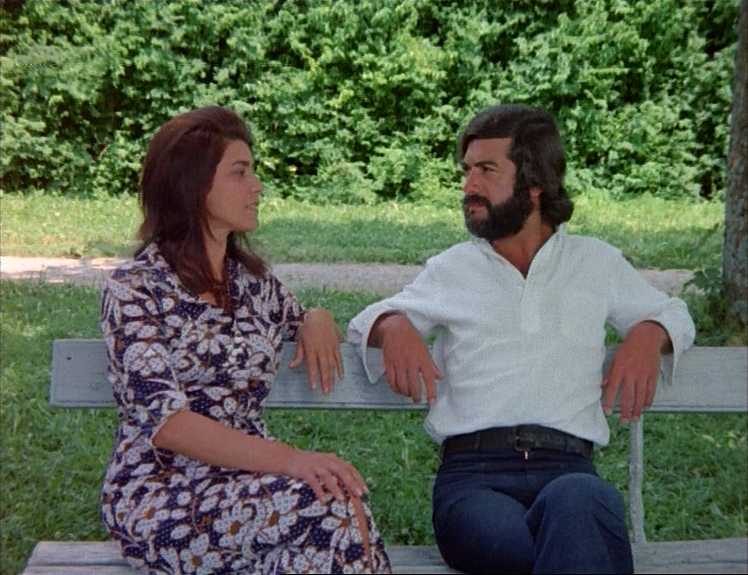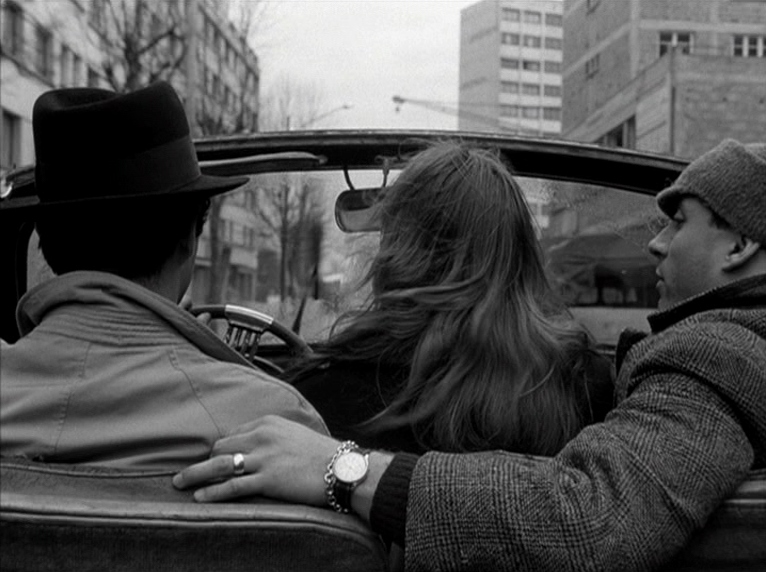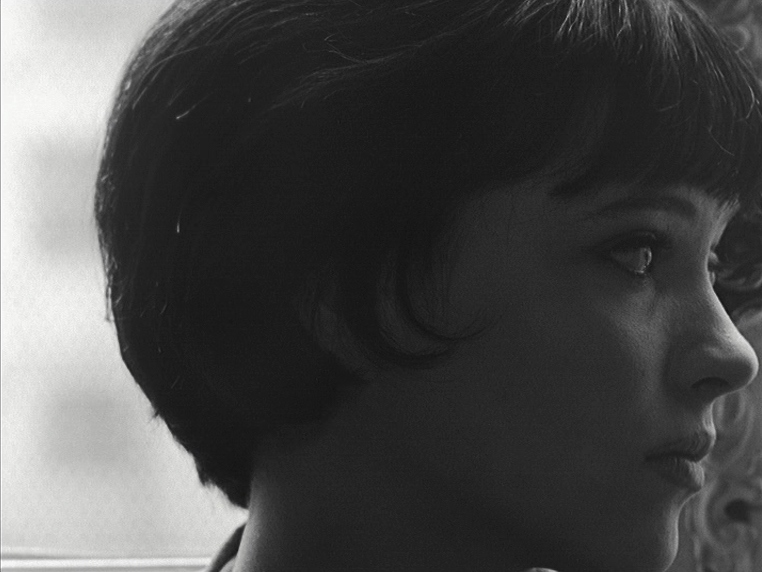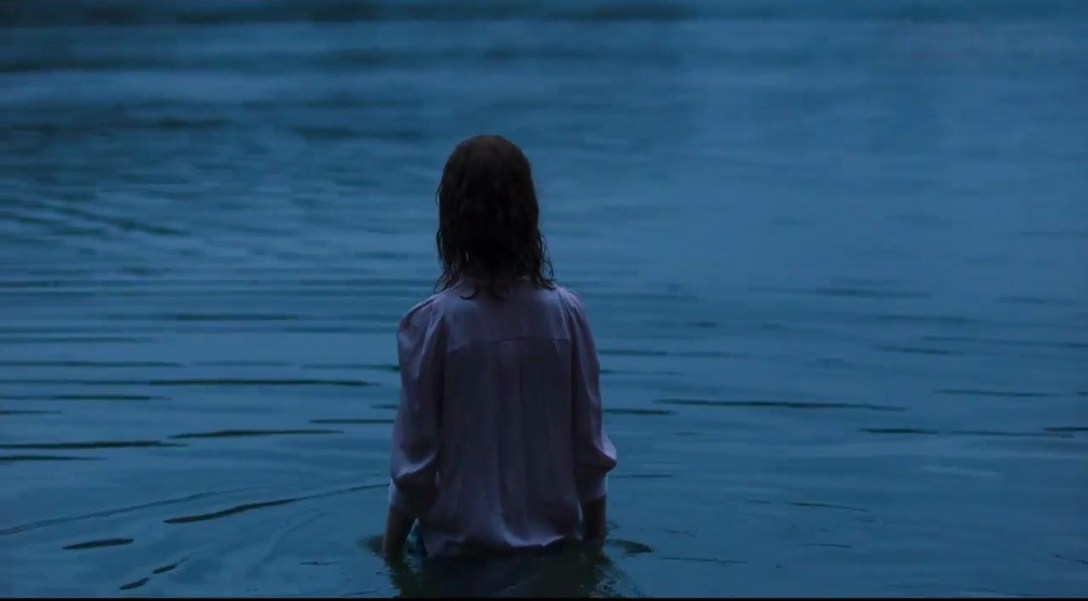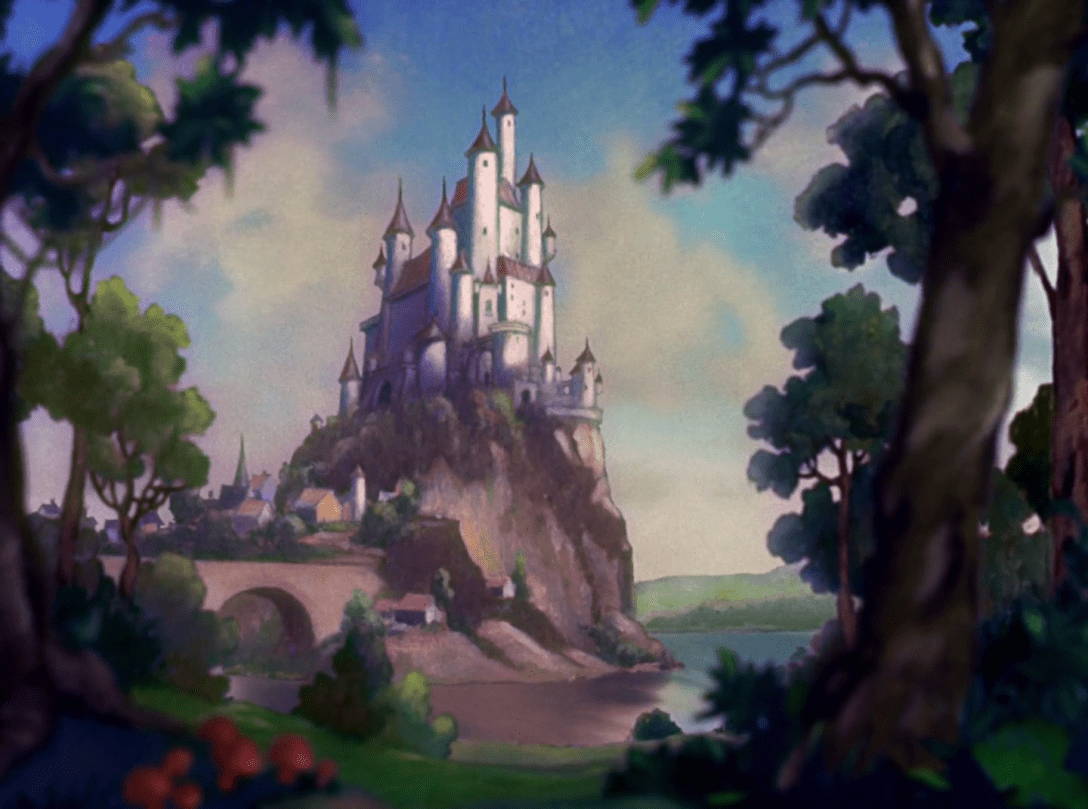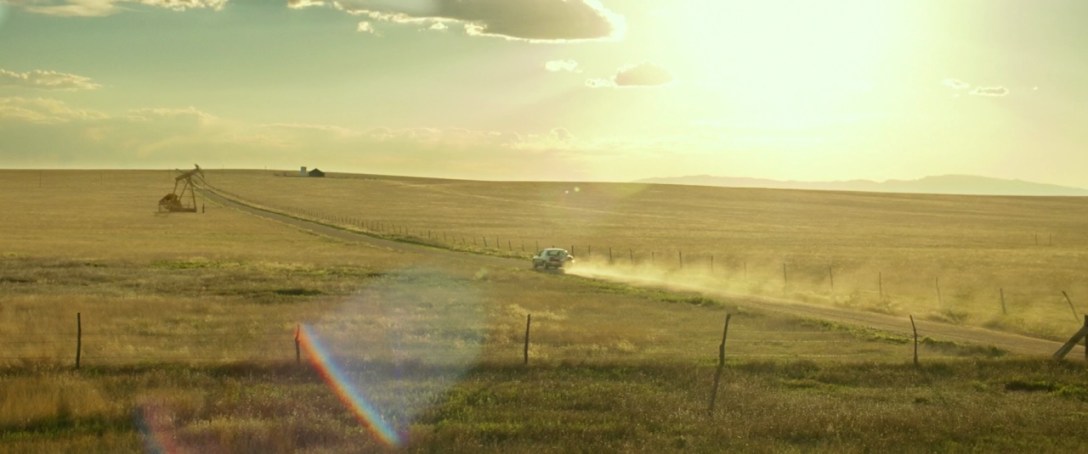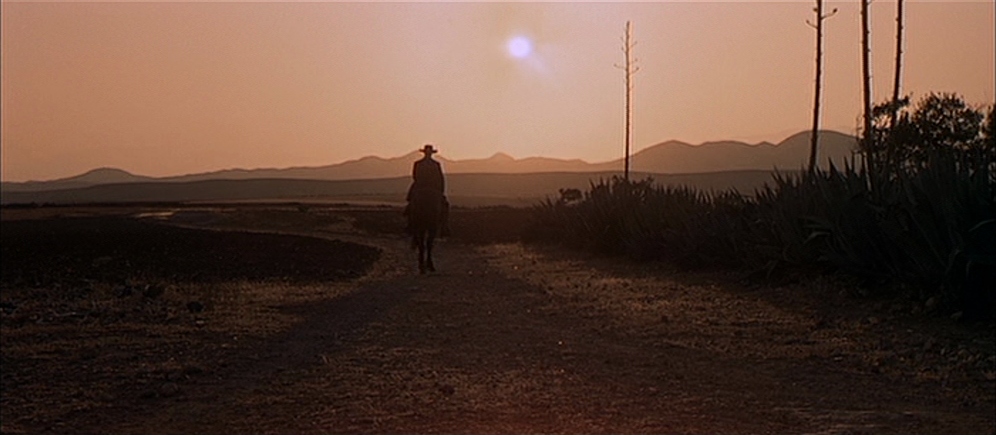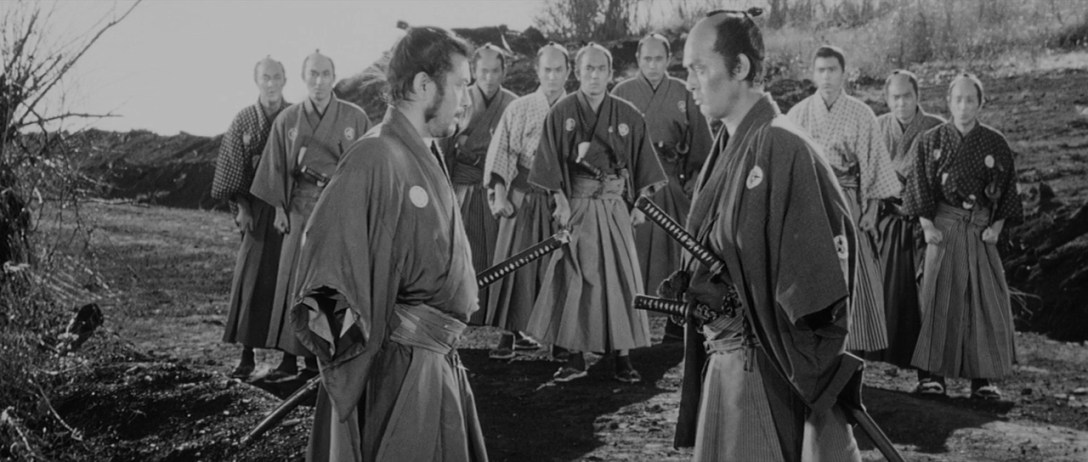

Alex and Jonathan reflect on 8 1/2 years of recording the Filmlings Podcast. If you're new here, this is an invitation and guide to explore the back-catalog, even though we are not currently recording new episodes. If you've been around, thanks for listening and supporting the show over the years! Keep an eye on the… Continue reading The Retrospective
Category: Courses
Ep 172. COMEDY CINEMA 5: The Wit’s End
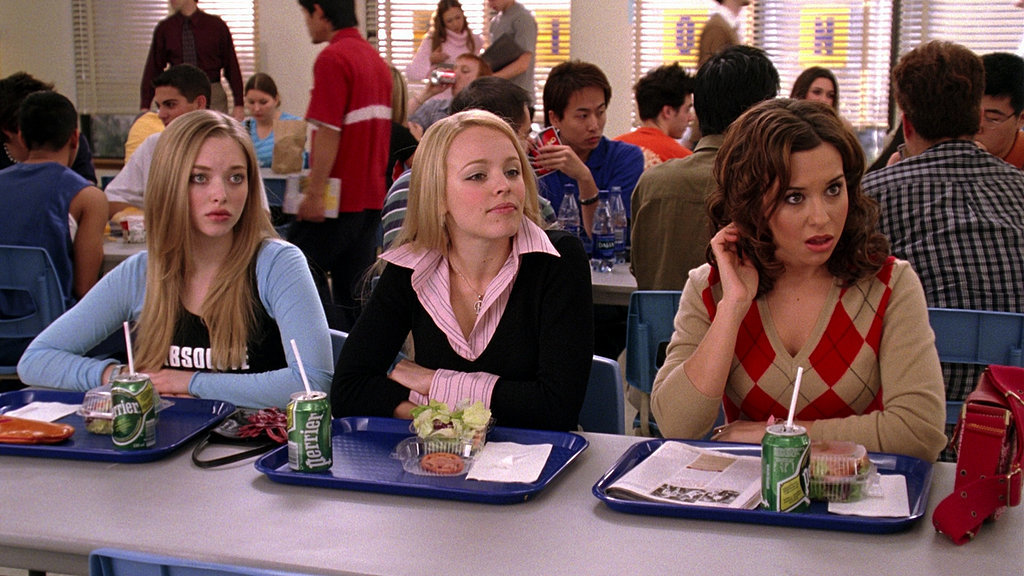
As we bring our discussion of the history of comedy to the modern day, Alex and Jonathan look at three comedy films from the past two decades: Mean Girls (2004), Guardians of the Galaxy (2014), and The Fall Guy (2024). We discuss the facets of wit as a mode of humor, the way wit has… Continue reading Ep 172. COMEDY CINEMA 5: The Wit’s End
Ep 171. COMEDY CINEMA 4: The Stoners
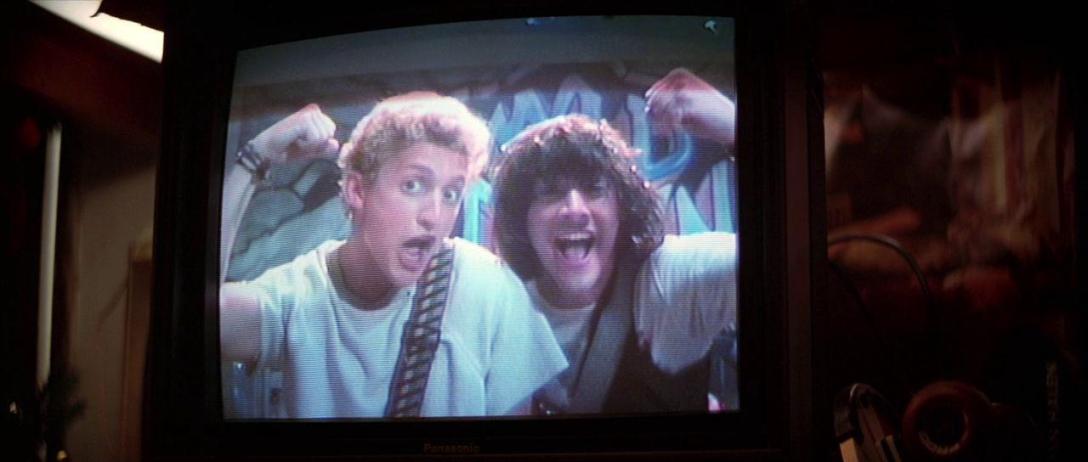
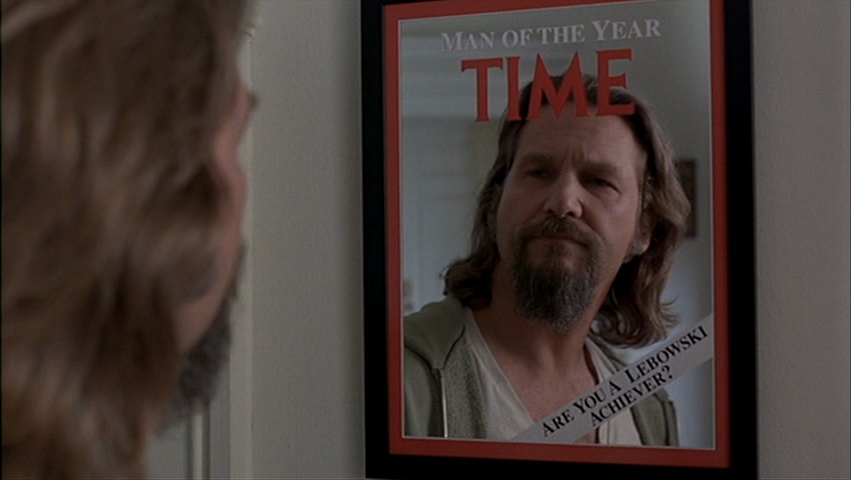
Moving from the absurd to the irreverent, today Alex and Jonathan look at three films which encompass a subset of comedy in which the characters are under the influence in some form or fashion: Bill & Ted's Excellent Adventure (1989), The Big Lebowski (1998), and The Hangover (2009). We discuss the glorification and justification of… Continue reading Ep 171. COMEDY CINEMA 4: The Stoners
Ep 170. COMEDY CINEMA 3: The Absurdists
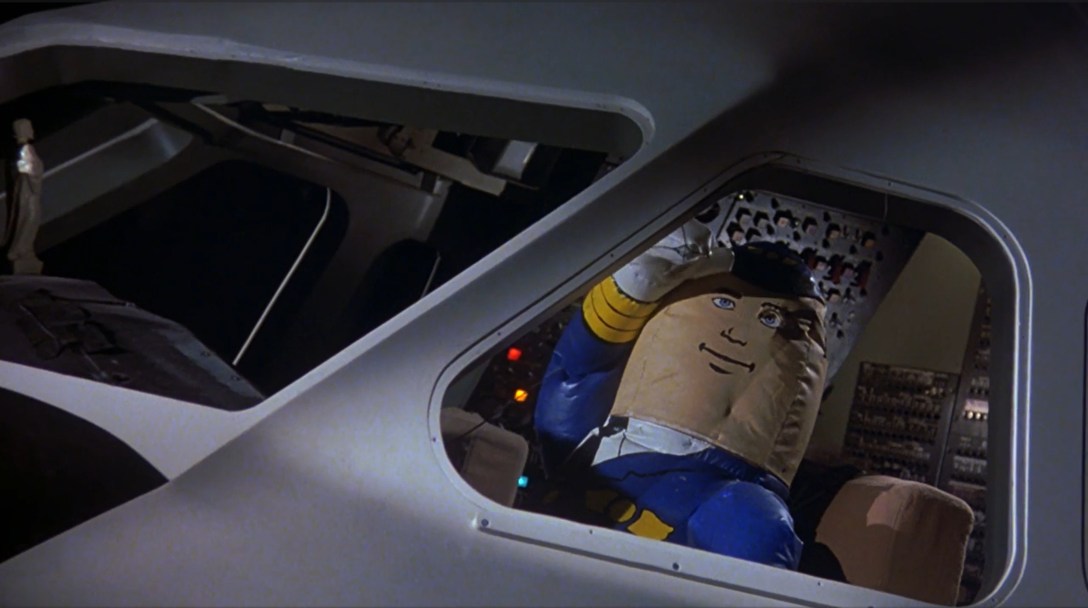
After the collapse of the Production Code, filmmakers now had the ability to put anything and everything in their movies, so they did. Today Alex and Jonathan discuss three films which take comedy beyond rational proportions and talk about The Producers (1967), Airplane! (1980), and The Mask (1994). We discuss the history of absurdist comedy,… Continue reading Ep 170. COMEDY CINEMA 3: The Absurdists
Ep 169. COMEDY CINEMA 2: The Screwballs
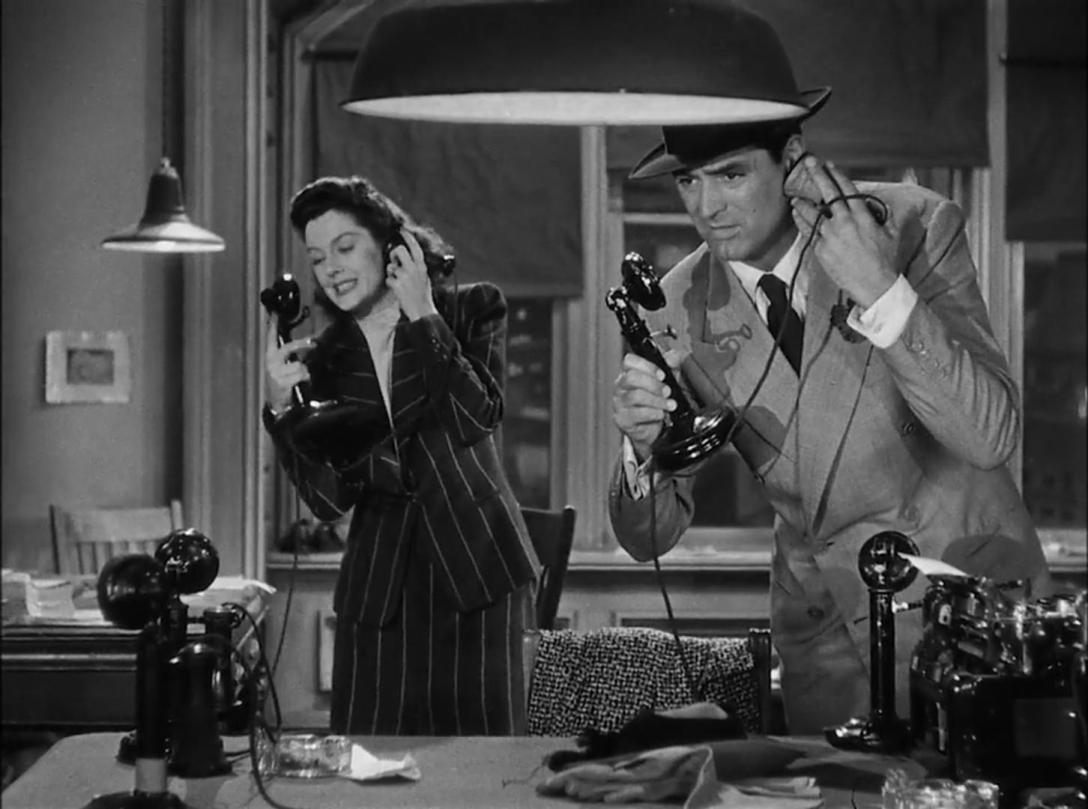
With the arrival of sound in Hollywood, a new subgenre of comedy arose, so today Alex and Jonathan discuss the history of the "screwball comedies" while looking at Trouble in Paradise (1932), His Girl Friday (1940), and Some Like it Hot (1959). We talk about how screwballs differed from standard romantic comedies, the emphasis on… Continue reading Ep 169. COMEDY CINEMA 2: The Screwballs
Ep 168. COMEDY CINEMA 1: The Clowns
To kick off a new series on the history of American comedy films, Alex and Jonathan travel back to the early days of cinema and look at the physical comedy of the early film clowns in Safety Last! (1923), City Lights (1931), and Duck Soup (1933). We discuss the transition from live performances in theater… Continue reading Ep 168. COMEDY CINEMA 1: The Clowns
AN UNOFFICIAL HISTORY OF COMEDY IN AMERICAN CINEMA: Course Syllabus
This course is an inexhaustive journey through some of the major trends in American comedy films from the early days of narrative filmmaking to the present. It should provide both an understanding of where modern comedy comes from, and some useful categories for thinking through different styles of comedy represented in cinema no matter the… Continue reading AN UNOFFICIAL HISTORY OF COMEDY IN AMERICAN CINEMA: Course Syllabus
Ep 167. TRAGEDIES of Misunderstanding
To wrap up the tragedy series, Alex and Jonathan look at three films characterized by the ways in which the characters' difference of perspectives causes the primary conflict in part or whole: A Woman Under the Influence (1974), The Elephant Man (1980), and The Farewell (2019). We discuss whether or not the term "tragedy" is… Continue reading Ep 167. TRAGEDIES of Misunderstanding
Ep 166. TRAGEDIES of Betrayal
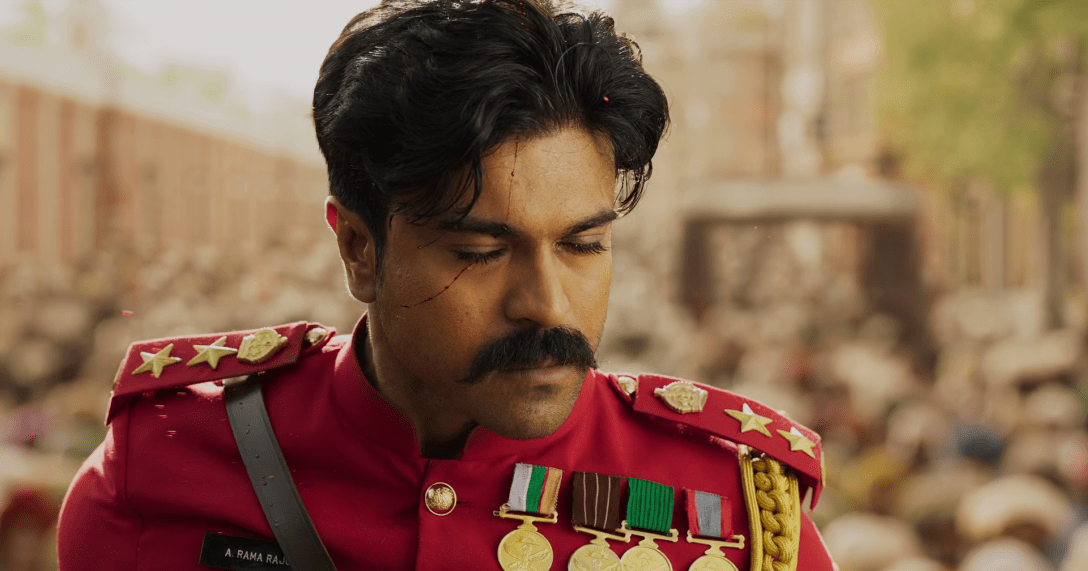
As we move into stories of interpersonal tragedies, today Alex and Jonathan discuss three films which deal with themes of betrayal as it applies to family relationships, as in Tokyo Twilight (1957), romantic relationships, as in In the Mood for Love (2000), and friends/allies, as in RRR (2022). We discuss Aristotle's concept of discovery, the… Continue reading Ep 166. TRAGEDIES of Betrayal
Ep 165. TRAGEDIES of Fate
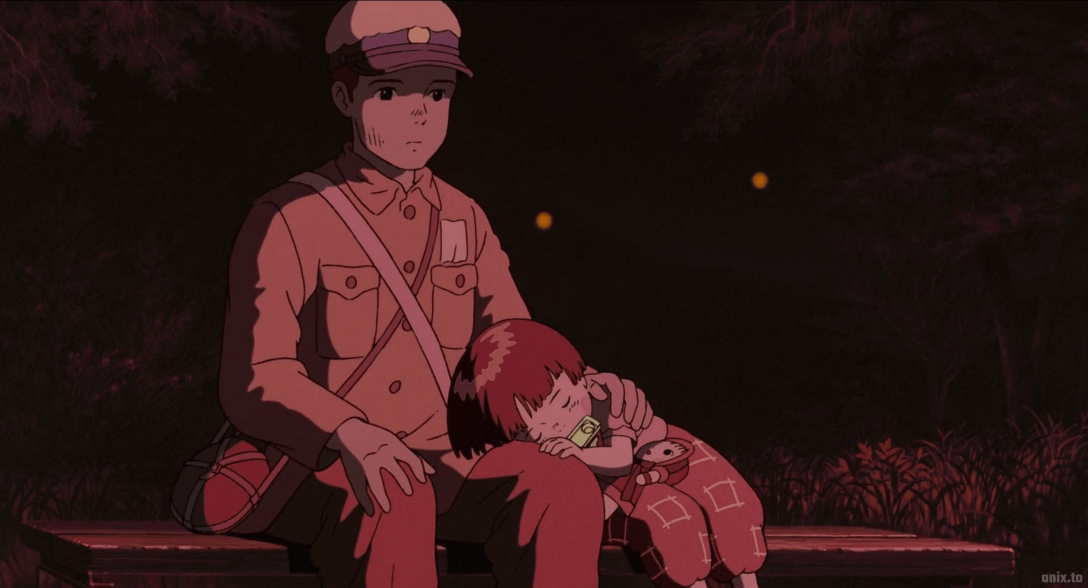
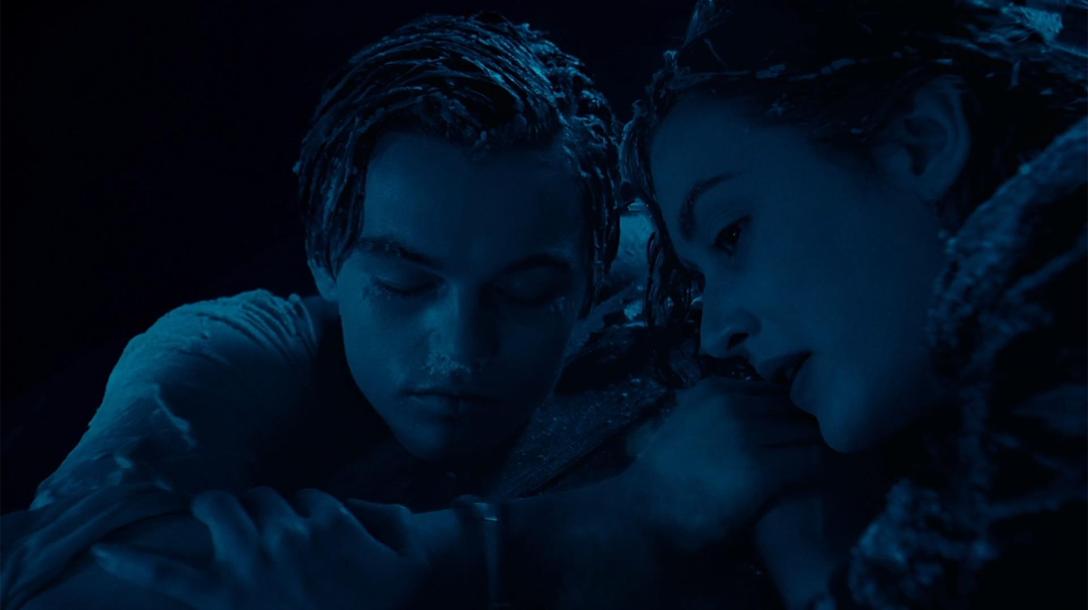
In one of the saddest episodes of the show (besides Episode 105), Alex and Jonathan look at films in which the protagonists struggle to navigate circumstances outside of their control with three tragedy classics: Ikiru (1952), Grave of the Fireflies (1988), and Titanic (1997). We discuss Aristotle's conception of the reversal of fortune – known… Continue reading Ep 165. TRAGEDIES of Fate
Ep 164. TRAGEDIES of Injustice
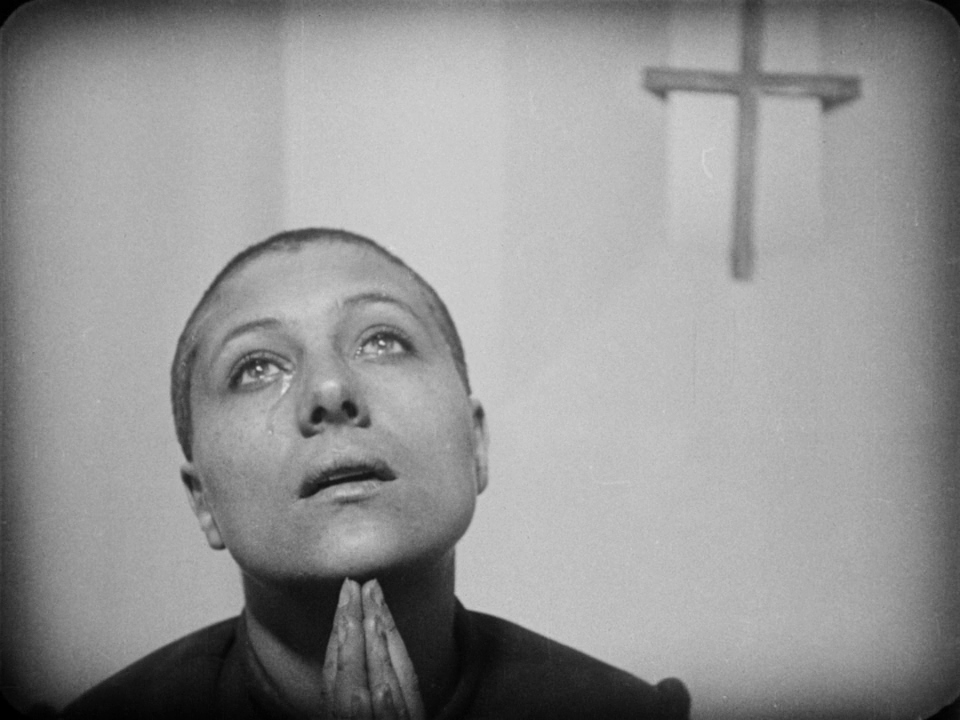
From power to societal marginalization to prejudicial greed, in this episode Alex and Jonathan talk about three films in which the subject characters are faced with various forms of injustice: The Passion of Joan of Arc (1928), Umberto D. (1952), and Killers of the Flower Moon (2023). We discuss the ways tragedy films evoke feelings… Continue reading Ep 164. TRAGEDIES of Injustice
Ep 163. TRAGEDIES of Self
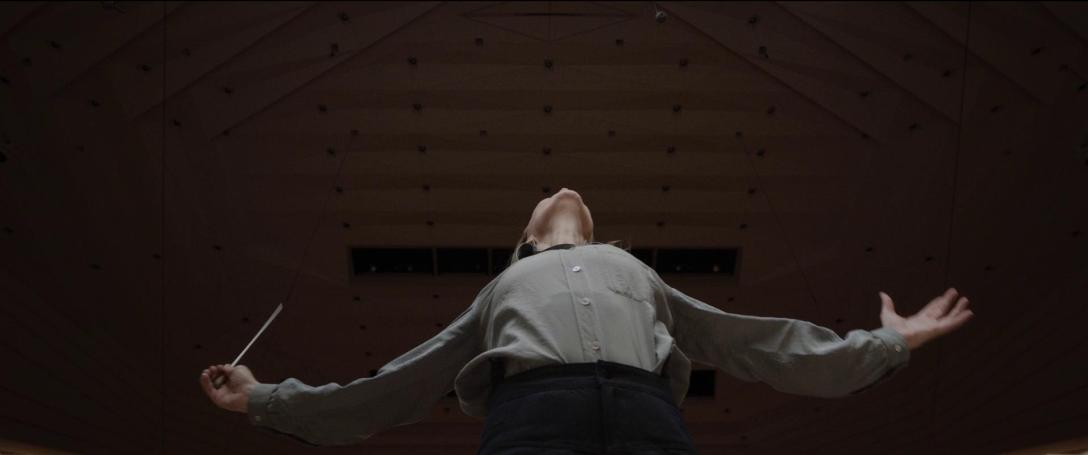
The downfall. The tragic flaw. Today Alex and Jonathan kick off a new series about tragic cinema with three stories where the protagonist is ultimately responsible for their own misery: The Magnificent Ambersons (1942), Brief Encounter (1945), and Tár (2022). We discuss Aristotle's six elements of tragedy, why tragedy doesn't necessarily have to have a… Continue reading Ep 163. TRAGEDIES of Self
AN OVERVIEW OF TRAGIC CINEMA: Course Syllabus
In contrast to comedy, which tends to have maximum effectiveness within a specific time and place, tragedy is universal and timeless. This course presents five categories through which to view the ways tragic stories can be told based on the way the tragic conflict or antagonist affects the protagonist. The antagonists being namely: self, power,… Continue reading AN OVERVIEW OF TRAGIC CINEMA: Course Syllabus
Ep 162. CAHIERS DU CINÉMA: Jacques Rivette
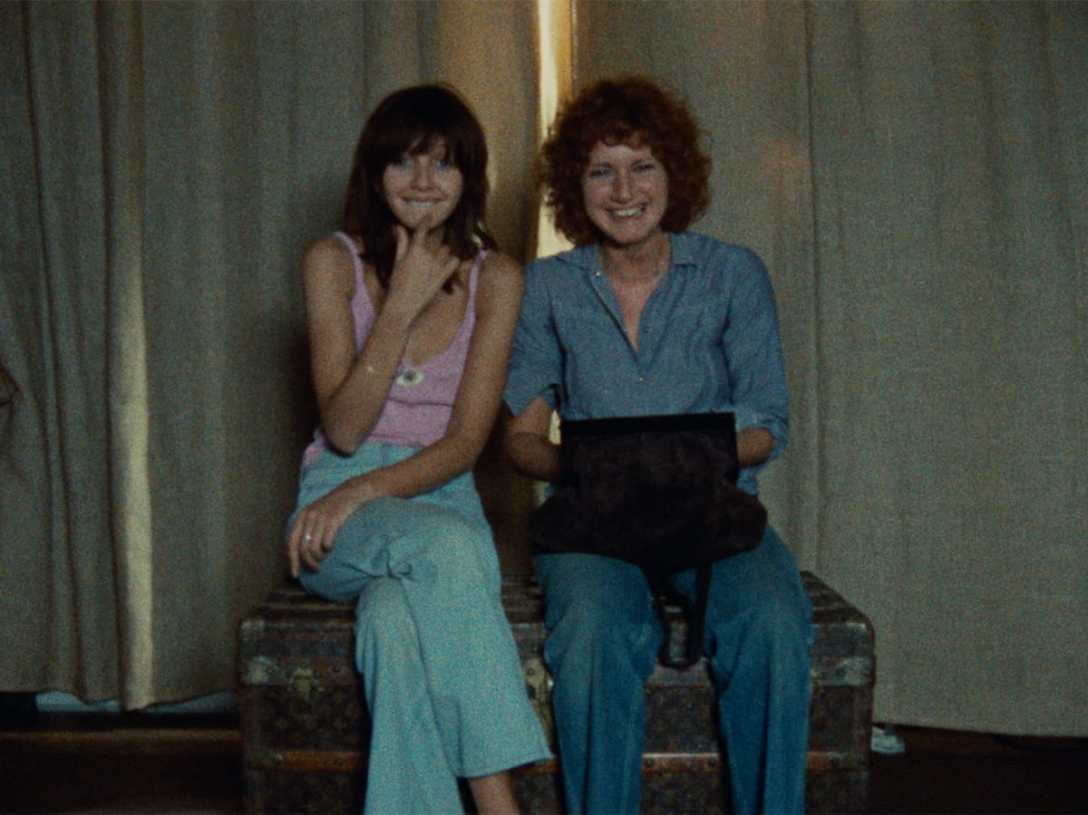
The last of the Cahiers du Cinéma critics-turned-directors to discuss is Jacques Rivette. Alex and Jonathan take a look at his films Paris Belongs to Us (1961), L'amour fou (1969), and Céline and Julie Go Boating (1974) and discuss Rivette's obsession with the individual aspects of cinema, his blend of cinematic instinct and collaborative improvisation,… Continue reading Ep 162. CAHIERS DU CINÉMA: Jacques Rivette
Ep 161. CAHIERS DU CINÉMA: Claude Chabrol
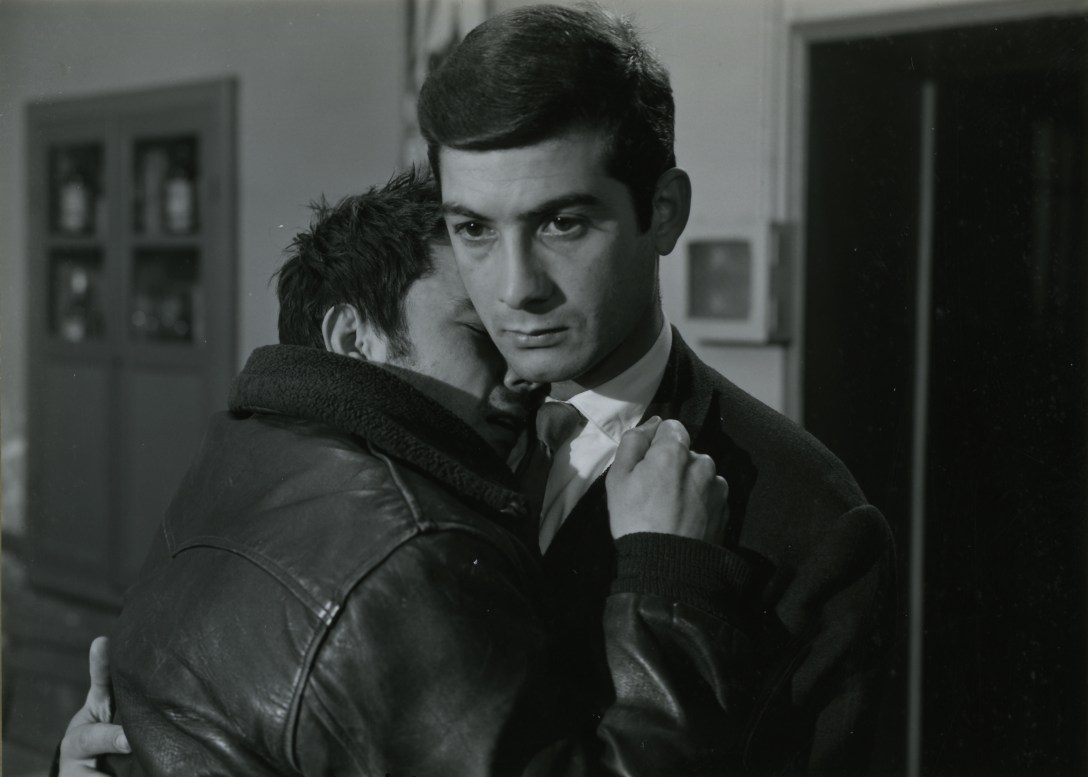
One of the less well-known of the Cahiers contributors, but also one of the first to break into directing, Claude Chabrol is the subject of this week's deep dive in which Alex and Jonathan talk about his films Le beau Serge (1958), Les cousins (1959), and Les bonnes femmes (1960). We discuss Chabrol's role in… Continue reading Ep 161. CAHIERS DU CINÉMA: Claude Chabrol
Ep 160. CAHIERS DU CINÉMA: François Truffaut
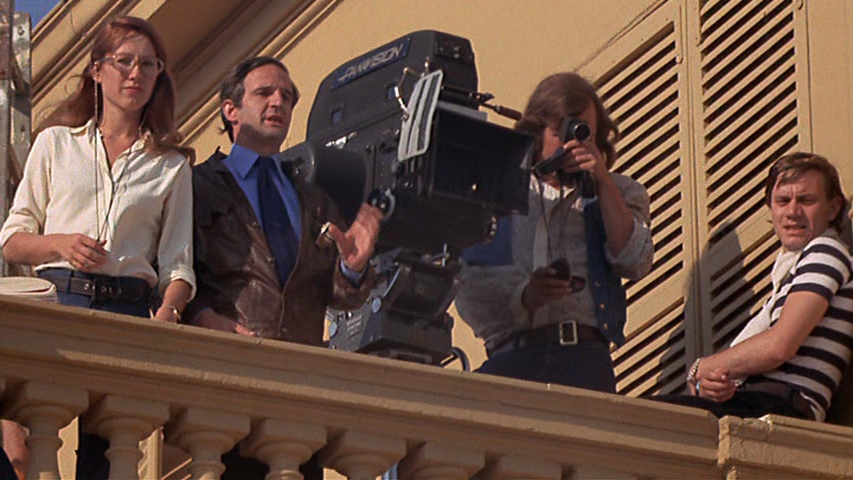
François Truffaut, known as "The Gravedigger of French Cinema" during his time as a critic, is the focal point of this episode and the turning point of our series on the French New Wave. Alex and Jonathan discuss three of his many films, Shoot the Piano Player (1960), Jules et Jim (1962), and Day for… Continue reading Ep 160. CAHIERS DU CINÉMA: François Truffaut
Ep 159. CAHIERS DU CINÉMA: Éric Rohmer
Author, critic, teacher, moralist, and editor of Cahiers du Cinéma, Éric Rohmer is this month's featured director from the French New Wave. Alex and Jonathan look at three of the six films Rohmer directed based on a series of his own short stories called the "Moral Tales" – My Night at Maud's (1969), Claire's Knee… Continue reading Ep 159. CAHIERS DU CINÉMA: Éric Rohmer
Ep 158. CAHIERS DU CINÉMA: Jean-Luc Godard
As we begin our dive into the directors of the French New Wave, Alex and Jonathan take a look at one of the primary disrupters from this heavily disruptive period of cinema history, the singular Jean-Luc Godard. Through three of his classic films – Vivre sa vie (1962), Band of Outsiders (1964), and Pierrot le… Continue reading Ep 158. CAHIERS DU CINÉMA: Jean-Luc Godard
CAHIERS DU CINÉMA: Course Syllabus
In this course Alex and Jonathan will be diving deep into the French New Wave, focusing on the major figures of the Cahiers du Cinéma staff who became some of the most influential filmmakers of all time. While identifying and examining the styles and techniques which make each of these directors unique, we will also… Continue reading CAHIERS DU CINÉMA: Course Syllabus
Ep 157. FILMS OF FAERIE 5: Fairy Tales in the Modern Day
For the final episode of the fairy tale series, Alex and Jonathan take a look at three films that transpose classic fairy tale stories onto the setting of the modern day: The Red Shoes (1948), Ponyo (2008), and Undine (2020). We discuss how fairy tale elements can help us look at the ordinary parts of… Continue reading Ep 157. FILMS OF FAERIE 5: Fairy Tales in the Modern Day
Ep 156. FILMS OF FAERIE 4: Fairy Tales with a Twist
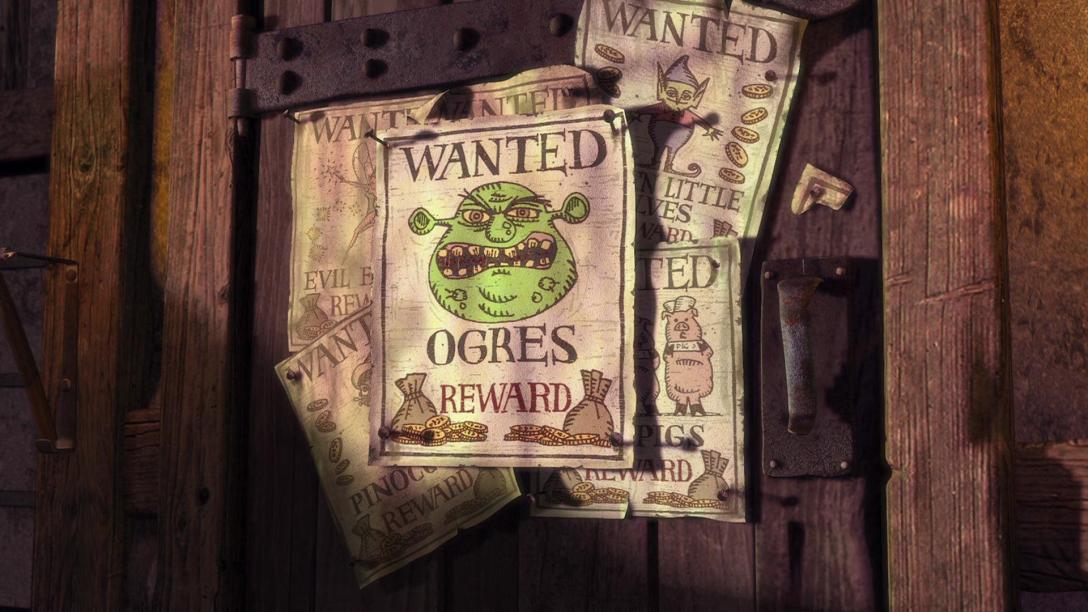
Today Alex and Jonathan look at three of the common ways that fairy tales are modified from their original setting to fit various modern sensibilities. We talk about the fairy tale mashup through the lens of Shrek (2001), the science fiction angle via A.I. Artificial Intelligence (2001), and the misunderstood villain as portrayed in Maleficent… Continue reading Ep 156. FILMS OF FAERIE 4: Fairy Tales with a Twist
Ep 155. FILMS OF FAERIE 3: Fairy Tales are NOT for Kids
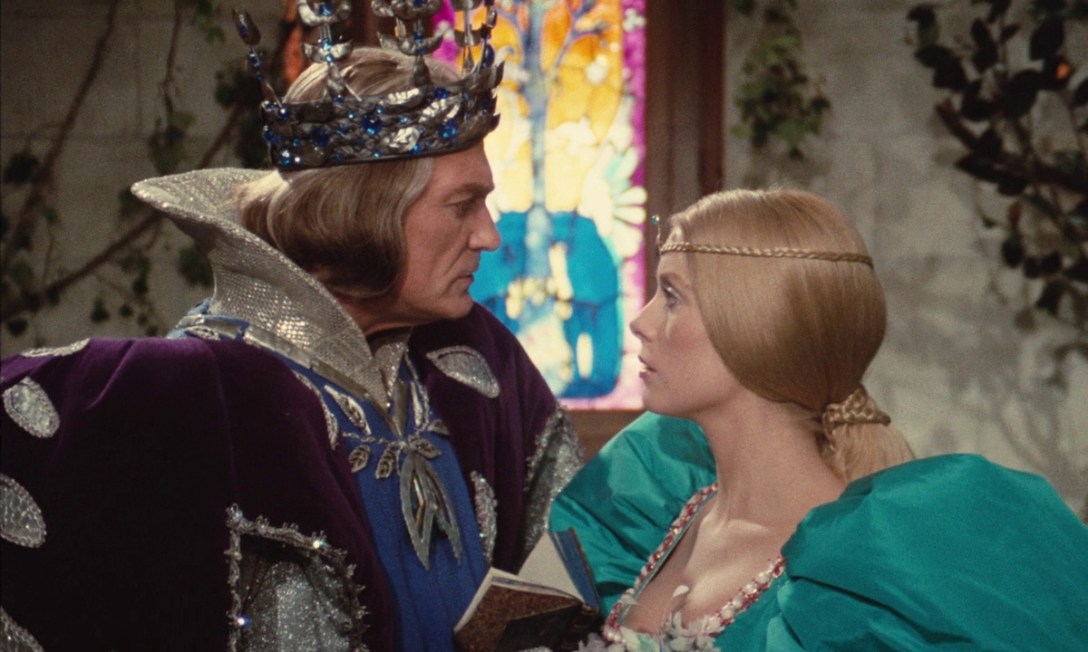
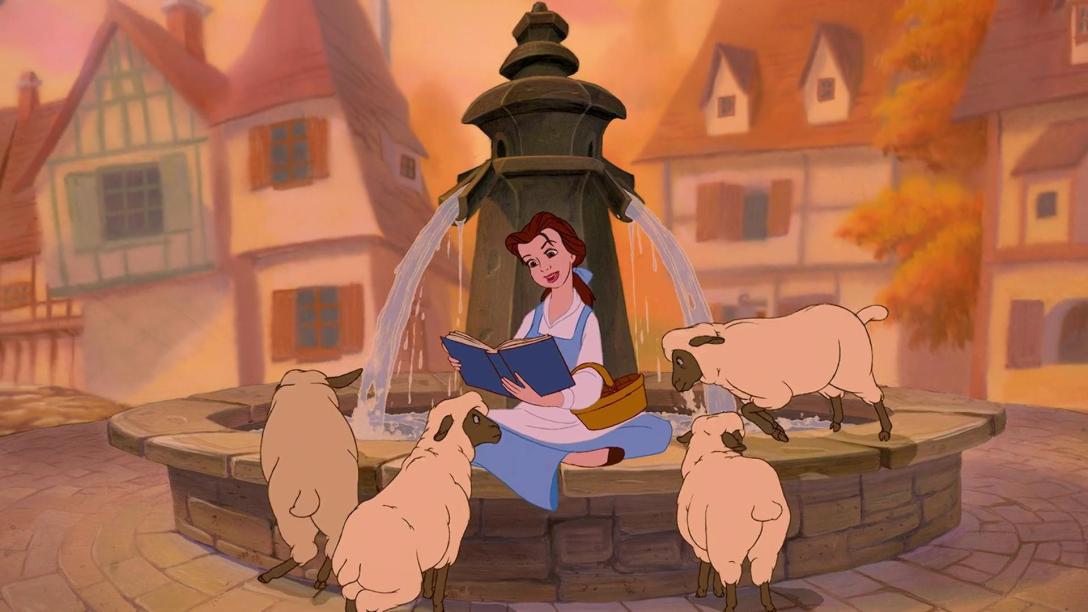
For as long as fairy tales have been recorded there has been a debate about whether or not they should be modified for children, so today Alex and Jonathan take up the negative side of the discussion with a look at three films with fairy tale elements that are not Disney's idea of kid-friendly: Beauty… Continue reading Ep 155. FILMS OF FAERIE 3: Fairy Tales are NOT for Kids
Ep 154. FILMS OF FAERIE 2: Fairy Tales are for Kids
When it comes to fairy tales on film, the elephant in the room has a name: Disney. So today Alex and Jonathan go through the history of fairy tale films as told by the Walt Disney Animation Studios, starting with the first feature length animated film, Snow White and the Seven Dwarfs (1937), through the… Continue reading Ep 154. FILMS OF FAERIE 2: Fairy Tales are for Kids
Ep 153. FILMS OF FAERIE 1: The Podcast that Laughed and Cried Like a Child
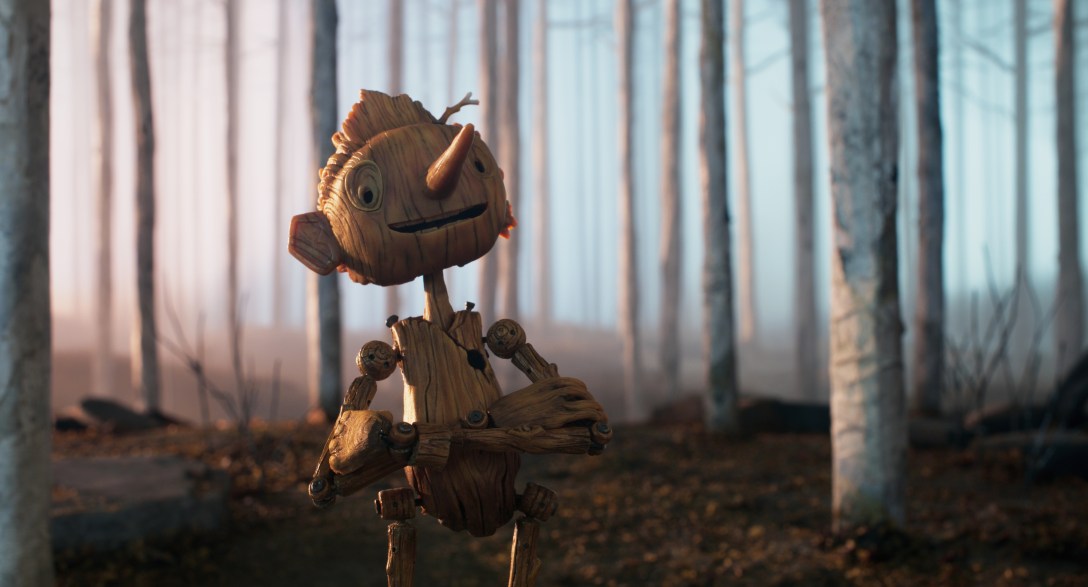
To kick off our new series about fairy tales in cinema, Alex and Jonathan do a deep dive into three adaptations of the story of Pinocchio: Pinocchio (1940), Pinocchio (2019), and Guillermo del Toro's Pinocchio (2022). We discuss the history of fairy tales, the variations of focus in each of these adaptations, and how fantasy… Continue reading Ep 153. FILMS OF FAERIE 1: The Podcast that Laughed and Cried Like a Child
FILMS OF FAERIE: Course Syllabus
Fairy tales are some of the oldest and most streamlined forms of storytelling that we have, so for the next several months Alex and Jonathan will be taking a look at a variety of ways that these classic tales have been translated into the cinematic medium. Hopefully by the end of the series you will… Continue reading FILMS OF FAERIE: Course Syllabus
Ep 152. WESTERNS 101: Modern West
To wrap up our Westerns 101 series, Alex and Jonathan take a look at the current state of the western genre through Rango (2011), Slow West (2015), and Hell or High Water (2016). We talk about ways to take the tropes of an established genre and exaggerate them for comedic effect, how to take the… Continue reading Ep 152. WESTERNS 101: Modern West
Ep 151. WESTERNS 101: Sergio’s Spaghetti
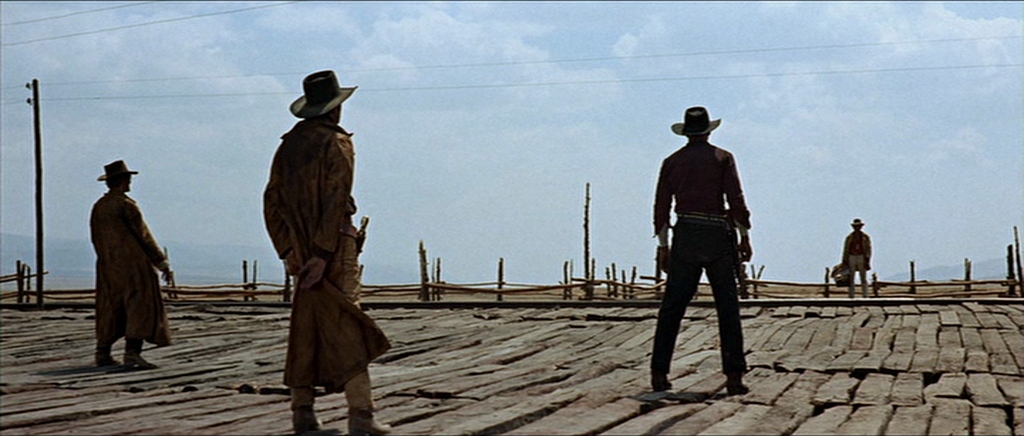
A huge portion of the modern idea of what a western is can be traced back to an Italian director with an appreciation for samurai films, Sergio Leone. Today Alex and Jonathan look at his influence on the spaghetti western sub-genre with For a Few Dollars More (1965), Once Upon a Time in the West… Continue reading Ep 151. WESTERNS 101: Sergio’s Spaghetti
Ep 150. WESTERNS 101: Westerns of the Rising Sun
As we continue our journey through the history of the western genre, Alex and Jonathan take a detour to Japan to discuss an era of chanbara (samurai) films that bridge the gap from classic westerns to spaghetti westerns. We're talking about Samurai I: Musashi Miyamoto (1954), Sanjuro (1962), The Sword of Doom (1966). We discuss… Continue reading Ep 150. WESTERNS 101: Westerns of the Rising Sun
Ep 149. WESTERNS 101: John Ford’s Golden Era
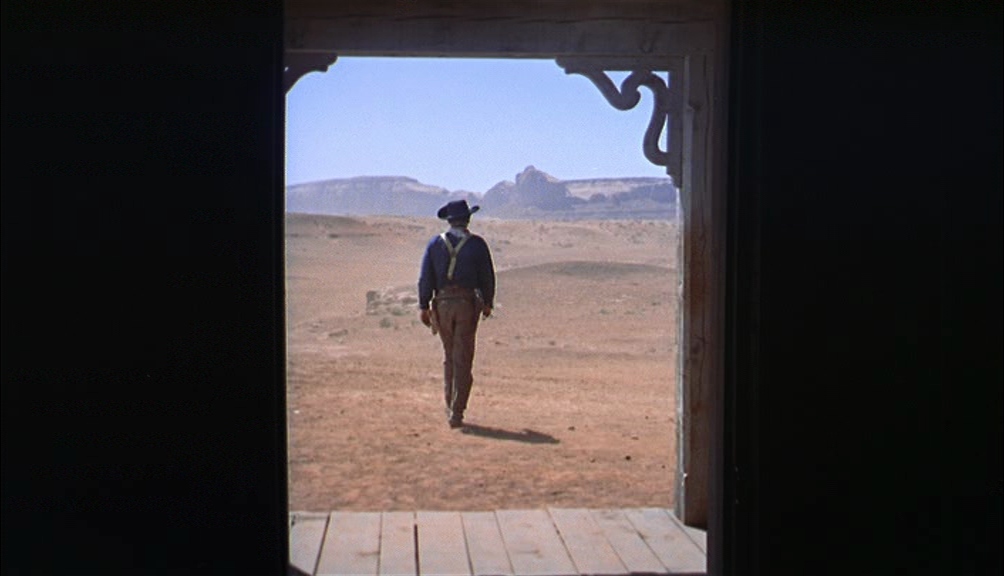
When discussing the history of the Western genre, there is no escaping the name or work of John Ford, so today Alex and Jonathan dive in to three of Ford's landmark films: My Darling Clementine (1946), The Searchers (1956), The Man Who Shot Liberty Valance (1962). We talk about the ways Western films elevate actual… Continue reading Ep 149. WESTERNS 101: John Ford’s Golden Era
WESTERNS 101: Course Syllabus
In the first of a new style of episode series we're dubbing "Filmlings Courses," Alex and Jonathan will be exploring the development of the Western genre as we know it today. What started as a convenient story trope to a newly created film industry in Hollywood eventually became one of the most dominant box office… Continue reading WESTERNS 101: Course Syllabus
Ep 148. WESTERNS 101: The Silent Era
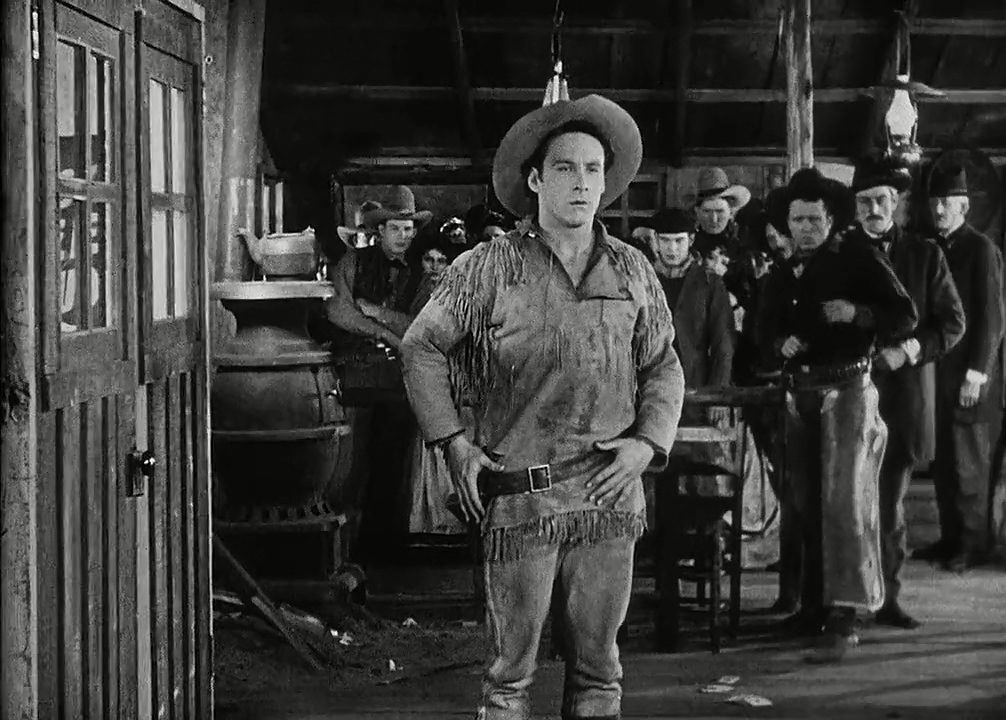
To kick off a new series of episodes that will give an overview of the history of the western genre, Alex and Jonathan start off by talking about three early western films from the pre-sound era: The Testing Block (1920), Sky High (1922), and The Iron Horse (1924). We discuss the development of both the… Continue reading Ep 148. WESTERNS 101: The Silent Era
Episode 105. WWII: Reflection
As the WWII series comes to a close Alex and Jonathan take a very somber look at three documentaries looking back on the war — specifically in the areas of the Holocaust and the atomic bombing of Japan — in Night and Fog (1956), Shoah (1985), and White Light/Black Rain (2007). We discuss the different… Continue reading Episode 105. WWII: Reflection
Episode 104. WWII: Drama
Continuing through our exploration of WWII, Alex and Jonathan turn the focus to the civilian level in Europe and look at the dramatic films Paisan (1946), Army of Shadows (1969), and Schindler's List (1993). We discuss the uniqueness of films being made in the immediate aftermath of the war, the difference in tone between war… Continue reading Episode 104. WWII: Drama
Episode 103. WWII: Action
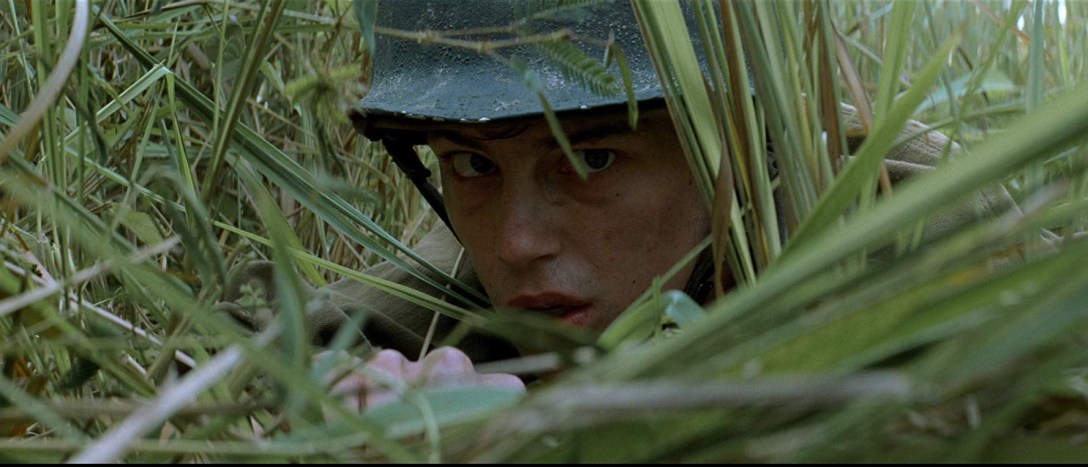
In the third installment of our World War II series we finally get to the films showing the actual conflict across the various fronts of the war in The Great Escape (1963), Come and See (1985), and The Thin Red Line (1998). We talk about how WWII action films present the horrors of war from… Continue reading Episode 103. WWII: Action
Episode 102. WWII: People and Politics [Video]
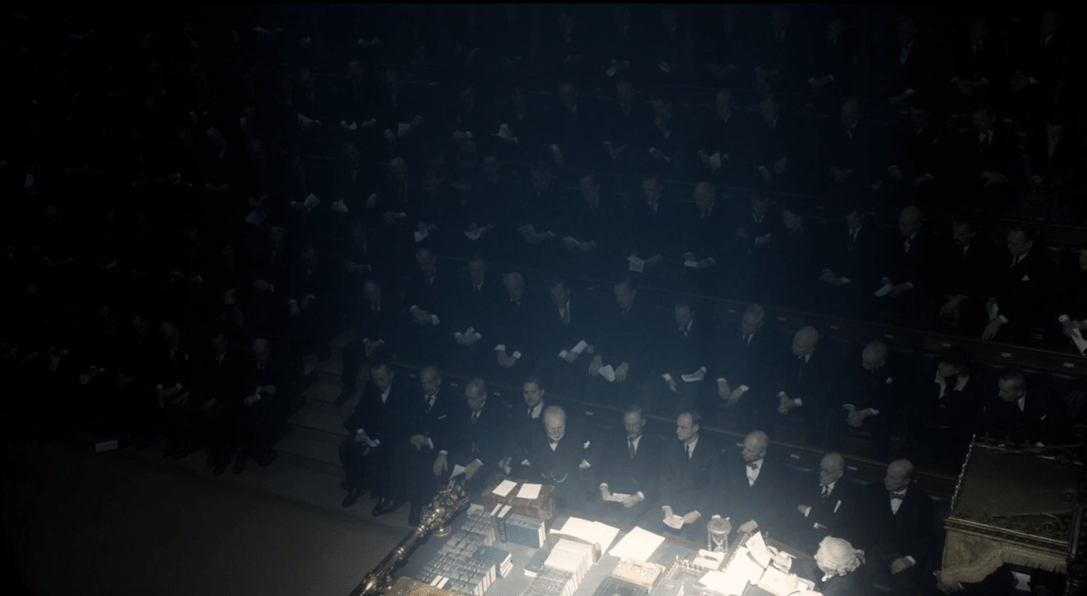
Moving from propaganda to three stories of the decision makers in WWII, Alex and Jonathan take a look at the biopics Patton (1970), The King's Speech (2010), and Darkest Hour (2017). We talk about how each film balances the politics with the subject, the evolving style of biopics, and why biopics from WWII seem to… Continue reading Episode 102. WWII: People and Politics [Video]
Episode 101. WWII: Propaganda
Season 4 of the podcast is kicking off with a deep-dive into the cinema before, during, and after World War II. For the first installment Alex and Jonathan look at the propaganda of the war in Triumph of the Will (1935), Why We Fight: Prelude to War (1942), and Momotaro, Sacred Sailors (1945). We talk… Continue reading Episode 101. WWII: Propaganda
Episode 79. SERIOUS SERIES 4: Precocious Pink Panthers
For the final installment of the Serious Series, Alex and Jonathan talk about three films of the Pink Panther comedy franchise: The Pink Panther (1963), A Shot in the Dark (1964), and The Pink Panther (2006). We discuss about how the focus of the franchise changed with the reception of the first film, the way the character of Inspector Clouseau becomes more distinct… Continue reading Episode 79. SERIOUS SERIES 4: Precocious Pink Panthers
Episode 78. SERIOUS SERIES 3: Gargantuan Godzilla Generations
A true giant of film history is our focus this week as Alex and Jonathan take on three films from different eras of the Godzilla franchise: Godzilla (1954), Godzilla vs. King Ghidora (1991), and Godzilla (2014) (with a special shoutout to Shin Godzilla (2016)). We talk about the post-war fears in the themes of the original film, the campy… Continue reading Episode 78. SERIOUS SERIES 3: Gargantuan Godzilla Generations
Episode 77. SERIOUS SERIES 2: Primate Planet Pandemonium
Alex and Jonathan are thrown into the madhouse world of Pierre Boulle's Planet of the Apes this week as we look at three reboots of the popular franchise: Planet of the Apes (1968), Planet of the Apes (2001), and Dawn of the Planet of the Apes (2014). We talk about how the original series balanced spectacle and thematic weight, where the 2001 adaptation misses the mark, and how the most… Continue reading Episode 77. SERIOUS SERIES 2: Primate Planet Pandemonium
Episode 76. SERIOUS SERIES 1: Being Bond, James Bond
To kick off Season 3 of the podcast, Alex and Jonathan are starting a series of episodes about some of cinema's most influential and long-last film series. First up is the James Bond franchise with From Russia with Love (1963), The Spy Who Loved Me (1977), and Skyfall (2012). We talk about the origins of the James Bond character, the consistent elements… Continue reading Episode 76. SERIOUS SERIES 1: Being Bond, James Bond
Ep 55. THE HITCH-HIKE: The Hitchcock Touch
At the final stop of the Hitch-Hike Alex and Jonathan look at the versatility and expertise of Alfred Hitchcock's technical prowess in Rope (1948), Rear Window (1954), and The Wrong Man (1956). We discuss Hitchcock's one-take experiment, his ultimate cinematic metaphor, and filming true events. https://youtu.be/6o-zCMTyb0A?si=9D3I5GNpa7PONM_4 https://open.spotify.com/episode/4LMm5Xew3ZPrHJ5MzSw3Wt?si=OkK0ROCVTpCMX_uiFd2PlA Also on iTunes Skip to: Rope (4:48), Rear Window (23:57), The Wrong Man (59:49),… Continue reading Ep 55. THE HITCH-HIKE: The Hitchcock Touch
Ep 54. THE HITCH-HIKE: Villains
The better the villain, the better the picture. Alex and Jonathan put this phrase to the test as they look at the sinister side of Hitchcock's films and discuss the bad guys of Strangers on a Train (1951), Dial M for Murder (1954), and Psycho (1960). We talk about driving a film through its antagonist, keeping dialogue-heavy films… Continue reading Ep 54. THE HITCH-HIKE: Villains
Ep 53. THE HITCH-HIKE: Antiheroes
Not all protagonists are good role models. Today Alex and Jonathan look at characters that defy the typical ideas of heroism in Hitchcock's To Catch a Thief (1955), The Trouble with Harry (1955), and Vertigo (1958). We discuss what makes an antihero, the prevalence of antiheroes in comedy films, and how to keep an audience engaged with unlikeable characters. https://youtu.be/IS2OL5UoL30?si=fv0G9ttN0QlCldgU… Continue reading Ep 53. THE HITCH-HIKE: Antiheroes
Ep 52. THE HITCH-HIKE: The Women
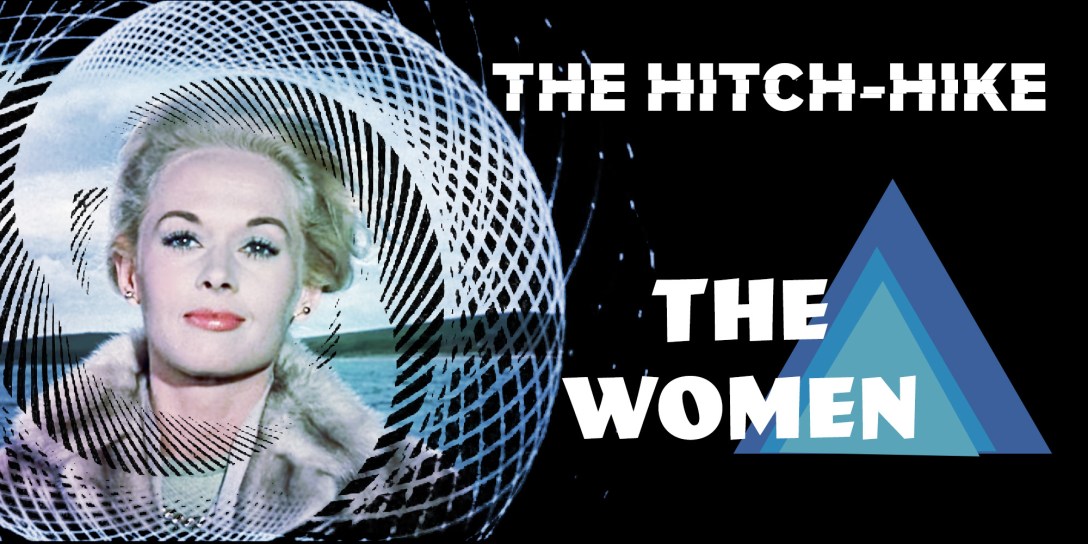
Blondes, brunettes, and mothers are the focus today and Alex and Jonathan look at the various portrayals of women in the Alfred Hitchcock films Spellbound (1945), The Birds (1963), and Marnie (1964). We discuss the different roles that women fill in Hitchcock's films, retelling a similar story while reversing gender roles, and appropriate/effective treatment of actors on set.… Continue reading Ep 52. THE HITCH-HIKE: The Women
Ep 51. THE HITCH-HIKE: The Wrong Men
To kick off season two of the podcast, Alex and Jonathan are taking five episodes to examine the work and themes of the great Alfred Hitchcock. Today we look at Hitchcock's "wrong man" theme in The Lodger (1927), The 39 Steps (1935), and North by Northwest (1959). We discuss spy thrillers with comedic tone, when Hitchcock reveals and… Continue reading Ep 51. THE HITCH-HIKE: The Wrong Men
Ep 33. WORLD TOUR: Last Layovers
As the World Tour comes to an end, Alex and Jonathan make a few final stops on the way home to talk about the further reaches of world cinema. We stop in Sweden with Hour of the Wolf (1968), in Taiwan with A Touch of Zen (1971), and in Brazil with City of God (2002). We talk about… Continue reading Ep 33. WORLD TOUR: Last Layovers
Ep 32. WORLD TOUR: Introspective Iran
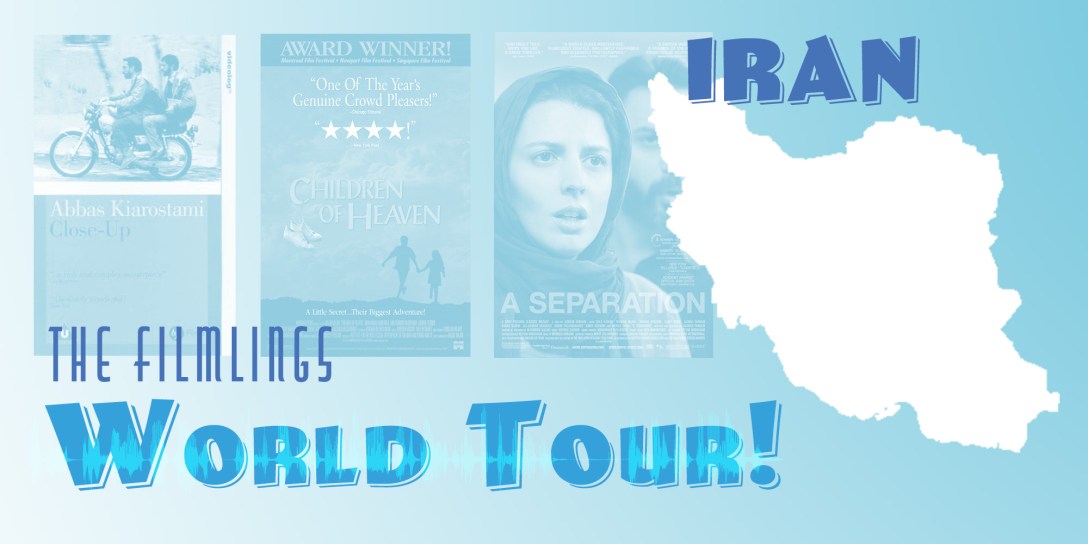
As the World Tour starts to wind down, Alex and Jonathan make a stop in Iran to look at the small, personal films Close-Up (1990), Children of Heaven (1997), and A Separation (2011). We talk about portraying compassion in film, movies without a "bad guy," and the self-sufficiency of Iranian cinema. https://youtu.be/sedViVwMkHY https://open.spotify.com/episode/0MXVUpi83bw2hdEuLwj0Dc?si=BFDqbM8STHWdZDBSnJDIog Also on iTunes Skip to: Close-Up (4:19),… Continue reading Ep 32. WORLD TOUR: Introspective Iran
Ep 31. WORLD TOUR: Kruel Korea
The World Tour carries Alex and Jonathan to South Korea this week where we look at Oldboy (2003), The Host (2006), and The Good the Bad the Weird (2008). We discuss elements that make up neo-noir films, mixing tones, and the pervasive violence of Korean film. https://youtu.be/Ek_Kwo-lK9g?si=99SFdlD1Kni_pUI4 https://open.spotify.com/episode/0dfVosdMnMZBEvJnDwlTTs?si=9OVQ9sEbStGGqSNUcie1Aw Also on iTunes Skip to: Oldboy (2:49), The Host (25:40), The Good the… Continue reading Ep 31. WORLD TOUR: Kruel Korea
Ep 30. WORLD TOUR: Russian Ruminations
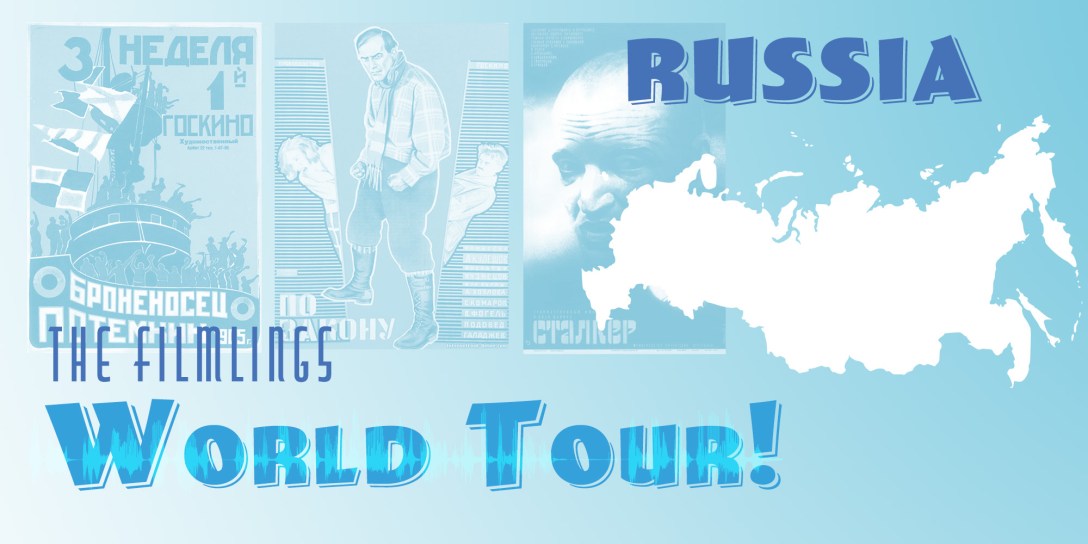
As Dostoyevsky once wrote: "All true Russians are philosophers." This week Alex and Jonathan head to Russia and look at three legendary and formative filmmakers with Sergei Eisenstein's Battleship Potemkin (1925), Lev Kuleshov's Po Zakonu (1926), and Andrei Tarkovsky's Stalker (1975). We talk the various forms and uses of montage, the Kuleshov effect, and filmmaking outside the bounds of traditional… Continue reading Ep 30. WORLD TOUR: Russian Ruminations
Ep 29. WORLD TOUR: Dunkel Deutschland
This week Alex and Jonathan go way back and take a look at German Expressionism with The Cabinet of Dr. Caligari (1920), Nosferatu (1922), and Metropolis (1927). We talk about the theatricality of early film, conventions of German Expressionism, and why the influence of German Expressionism will never fade. https://youtu.be/EXGdzfqrWpE?si=BEdusu0FDxvq3bil https://open.spotify.com/episode/0ZLT0JDFxwYZXNRKd57KJs?si=5laV0WDoTsGStRLbr7WRhw Also on iTunes Skip to: The Cabinet of Dr.… Continue reading Ep 29. WORLD TOUR: Dunkel Deutschland
Ep 28. WORLD TOUR: México Macabro
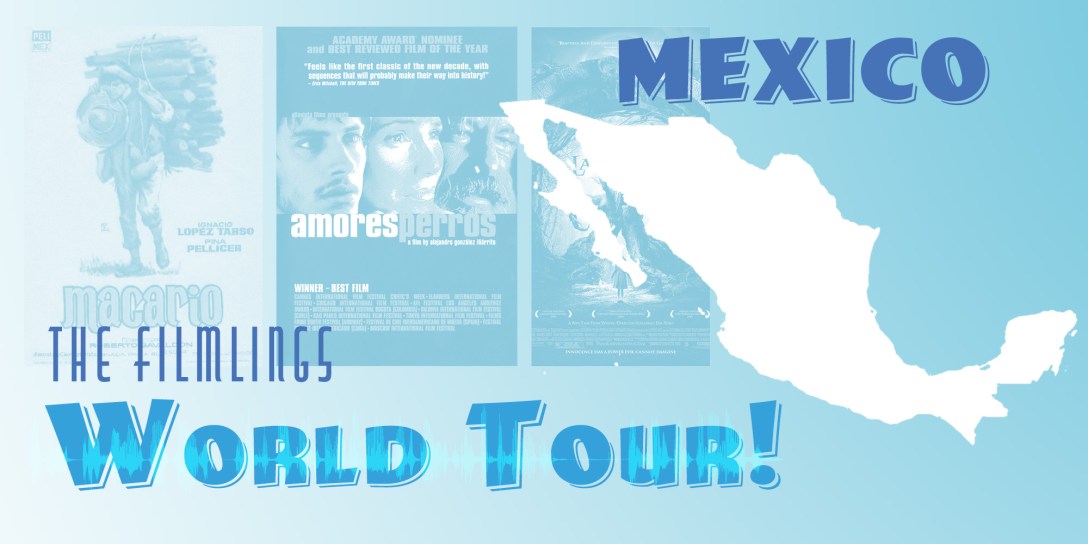
Alex and Jonathan head south of the border this week to talk about three Mexican films: Macario (1960), Amores Perros (2000), and Pan's Labyrinth (2006). We talk the significance of a story within the story, the international influence of Quentin Tarantino, and how Hollywood has benefitted from Mexican filmmakers. https://youtu.be/0Z2GQtBgVS8?si=-l46IgjiN0Lxjh5R https://open.spotify.com/episode/10mkMiqKGd55NivWuoBRX1?si=ICfO5XgwRFKS8RnB1bfKiA Also on iTunes Skip to: Macario (4:06), Amores Perros (20:02),… Continue reading Ep 28. WORLD TOUR: México Macabro
Ep 27. WORLD TOUR: Japan Juxtaposed
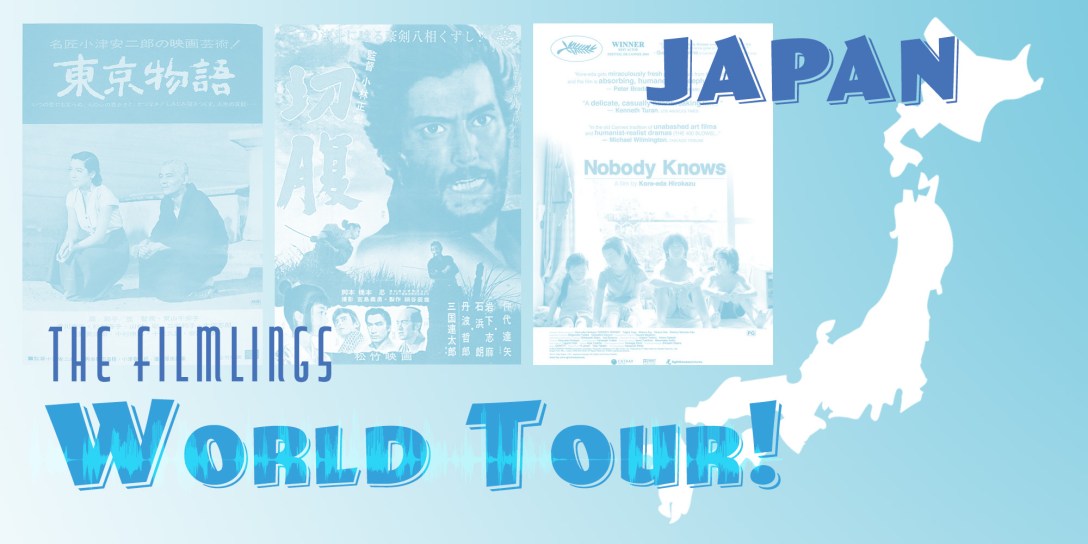
It's back to Japan this week for Alex and Jonathan, but not for anime or Akira Kurosawa. We take a look at three other directors with Masaki Kobayashi's Harakiri (1963), Yasujirô Ozu's Tokyo Story (1952), and Hirokazu Koreeda's Nobody Knows (2004). We discuss various kinds of family drama in Japanese films, the distinction between "big" and "small" movies,… Continue reading Ep 27. WORLD TOUR: Japan Juxtaposed
Ep 26. WORLD TOUR: India Inundation
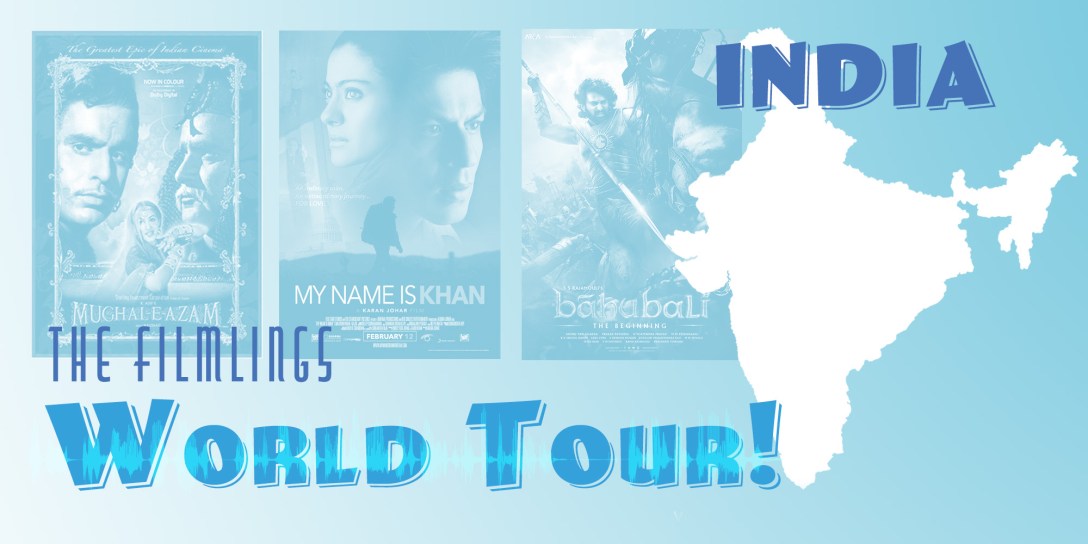
This week the World Tour carries Alex and Jonathan to India and the world's largest combined film market where we look at the Kollywood film Mughal-E-Azam (1960), the Bollywood film My Name is Khan (2010), and the Tollywood film Baahubali: The Beginning (2015). We talk the history and scope of Indian cinema, film rhetoric turned up to 11, and… Continue reading Ep 26. WORLD TOUR: India Inundation
Ep 25. WORLD TOUR: France Fraiche
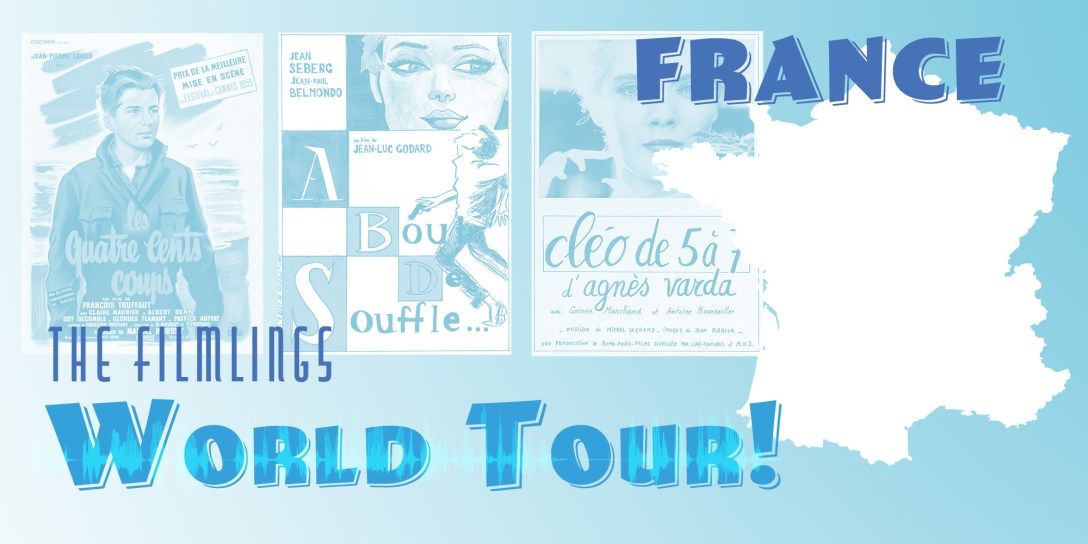
Following on the heels of Italian Neorealism came the French New Wave, so Alex and Jonathan take a trip to France and discuss three films from this explosive movement: The 400 Blows (1959), Breathless (1960), and Cleo from 5 to 7 (1962). We talk about stylistic innovations, semi-autobiographical filmmaking, and the origins of auteur theory. https://youtu.be/OY0F9TMMygk?si=MV5S_F2prKs_7Hxj https://open.spotify.com/episode/4CJK6AQRIO6W7JQ04359fH?si=E7piDjVwRRCWez4MW058Fw Also on iTunes… Continue reading Ep 25. WORLD TOUR: France Fraiche
Ep 24. WORLD TOUR: Italia Infelice
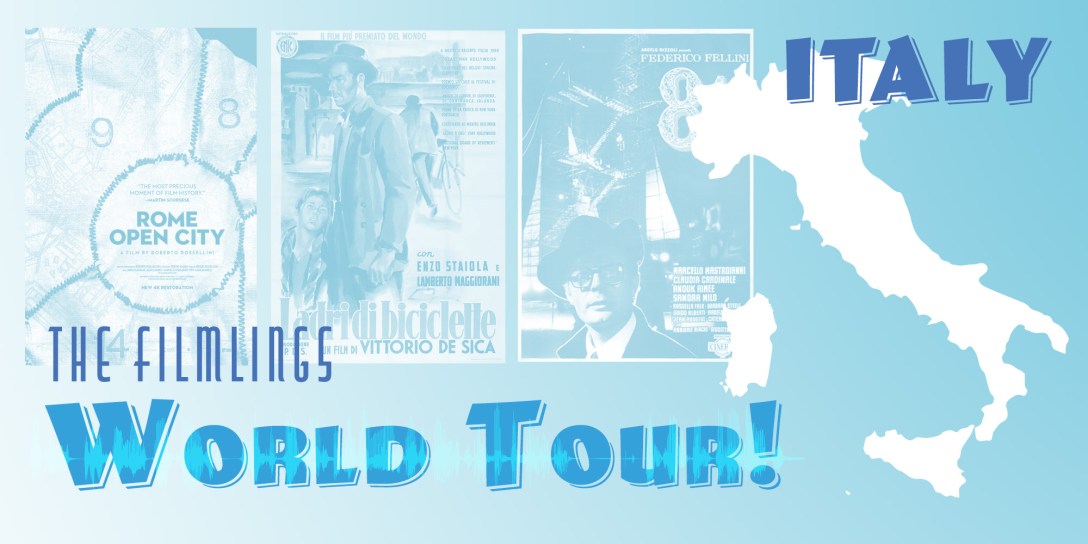
Alex and Jonathan say ciao to America this week as we embark on the first stage of our new ten-week World Tour series! Our first stop is Italy where we take a look at the Italian neorealism films Rome, Open City (1945) and Bicycle Thieves (1948) and the post-neorealism film 8 1/2 (1963). We talk about the effect… Continue reading Ep 24. WORLD TOUR: Italia Infelice