Episode 73. Tall Tales

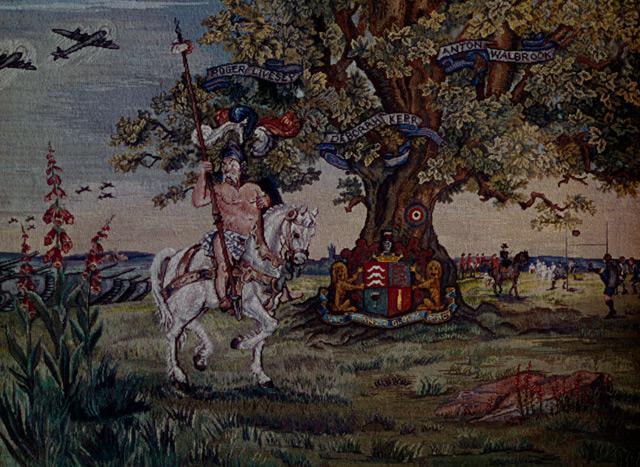
"Fencing, fighting, torture, revenge, giants, monsters, chases, escapes, true love, miracles..." This week Alex and Jonathan discuss three movies about the act and importance of storytelling: The Princess Bride (1987), Big Fish (2003), and The Fall (2006). We discuss the various ways that stories impact our lives, crafting a plot structured around a story-within-a-story, and creating a visual… Continue reading Episode 73. Tall Tales

Episode 72. Bloody Burton Feat. Jason Harden

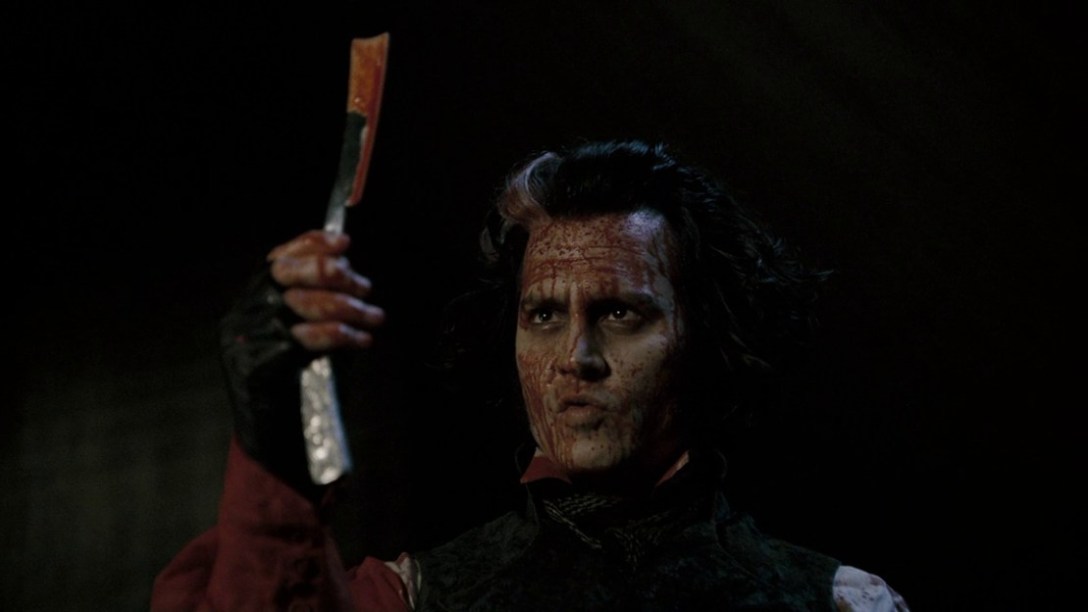
In proper Halloween spirit, Alex and Jonathan invite Jason Harden back to the podcast to talk about some of the darker films by director Tim Burton: Edward Scissorhands (1990), Sleepy Hollow (1999), and Sweeney Todd: The Demon Barber of Fleet Street (2007). They discuss the way Tim Burton blends dark and whimsical tones, the evolution of Johnny Depp's… Continue reading Episode 72. Bloody Burton Feat. Jason Harden

Episode 71. Detectives, Dames, and Deception

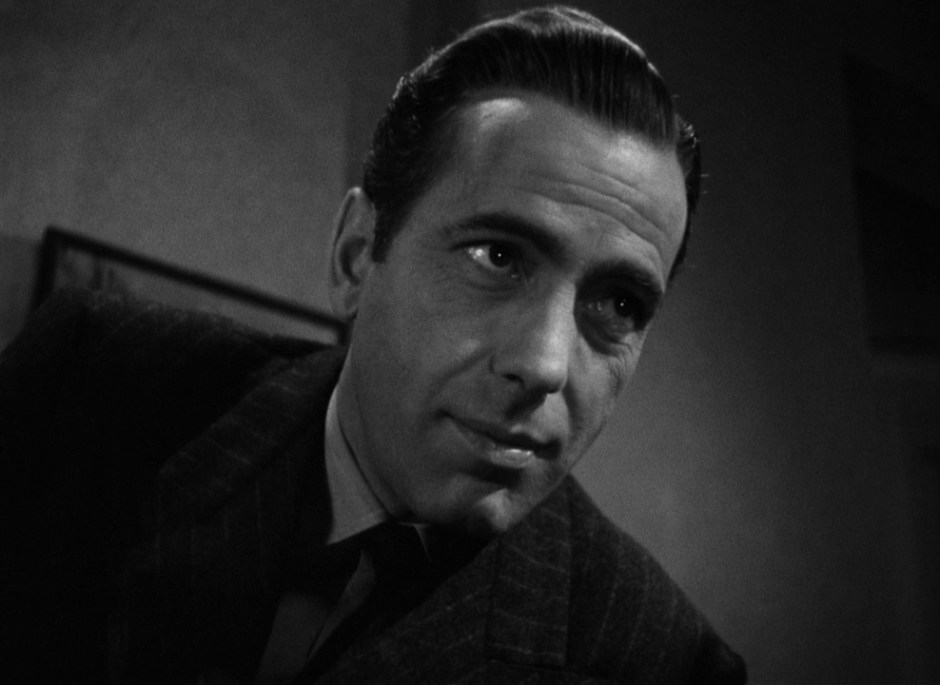
Diving into maybe the darkest genre in film-history, Alex and Jonathan take a look at the moral complexity of film noir in The Maltese Falcon (1941), Double Indemnity (1944), and Touch of Evil (1958). We talk about the increasing darkness of the subject matter as the period goes on, common elements like the femme fatale, and the continuing… Continue reading Episode 71. Detectives, Dames, and Deception

Episode 70. Tricky Tati

When it comes to post-sound era physical comedy, Jacques Tati's character Monsieur Hulot is an inspiration that still resounds today. Alex and Jonathan take a look at the complex scenarios created in Monsieur Hulot's Holiday (1953), Playtime (1967), and Trafic (1971). We talk about traits of the Hulot character, how Tati built a miniature city, and how he is… Continue reading Episode 70. Tricky Tati

Episode 69. A Robotic Retrospective

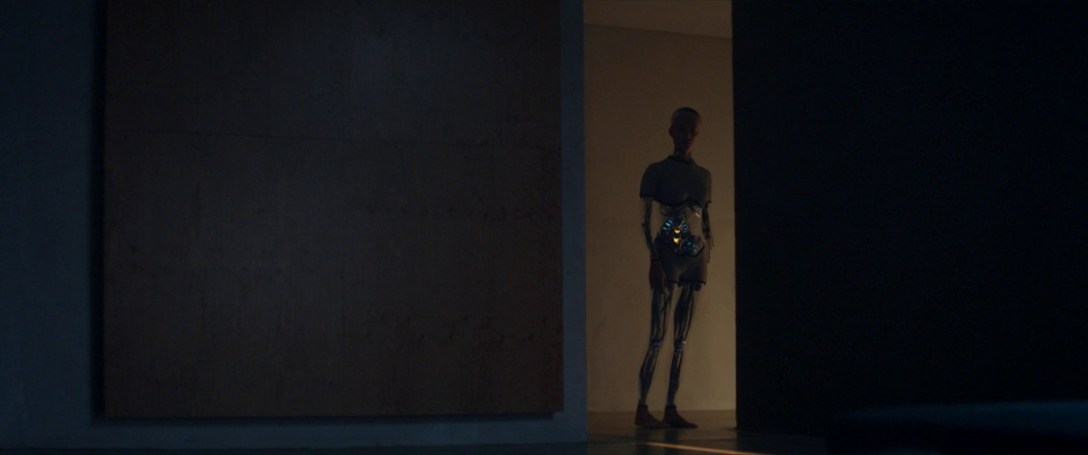
Alex and Jonathan dive into the history and variety of robot representation in film today. Specifically we're talking about: The Terminator (1984), The Iron Giant (1999), and Ex Machina (2014). We discuss the range of robots from violent villains to compassionate characters, the transition from divinely-inspired to human-made, and how robot stories help us anticipate the future. https://youtu.be/78T6P9U2ggo?si=SX2wUJKXF_PnRWK8… Continue reading Episode 69. A Robotic Retrospective

Episode 68. The Artsy Archers: A Portrait of Powell and Pressburger

Michael Powell and Emeric Pressburger's directing team known as "The Archers" is the topic of discussion today as Alex and Jonathan take a look at The Life and Death of Colonel Blimp (1943), A Matter of Life and Death (1946), and Black Narcissus (1947). We talk about the way the Archers formed and resolved to make films, how they blend… Continue reading Episode 68. The Artsy Archers: A Portrait of Powell and Pressburger

Episode 67. Hundreds of Holmes

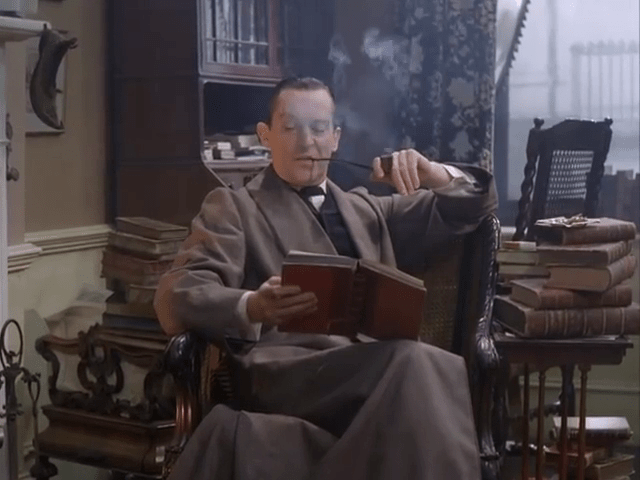
The game is afoot this week as Alex and Jonathan take a look at three adaptations of Sir Arthur Conan Doyle's famous detective, Sherlock Holmes: The Hound of the Baskervilles (1939), The Sign of Four (1987), and Sherlock's "A Study in Pink" (2010). We discuss the different personality traits of Sherlock Holmes that are emphasized in each… Continue reading Episode 67. Hundreds of Holmes

Episode 66. Shooting Scorsese Feat. Benjamin Angrisano

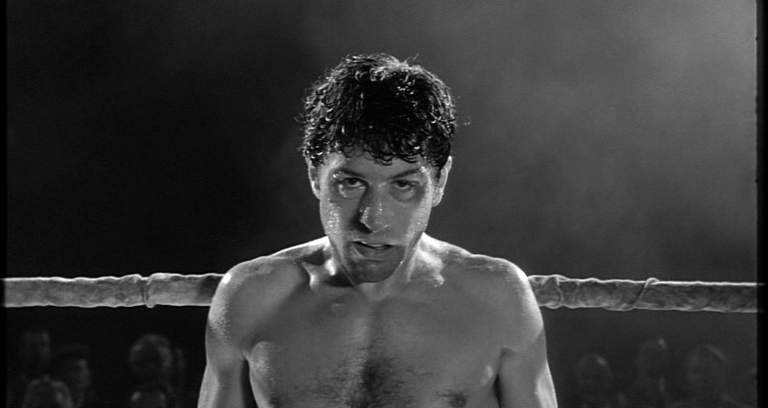
Returning guest Benjamin Angrisano joins Alex and Jonathan to discuss the early film collaborations between director Martin Scorsese and actor Robert DeNiro in Mean Streets (1972), Taxi Driver (1976), and Raging Bull (1980). We talk about the American New Wave, recurring themes in Scorsese's work, and DeNiro's ability to adapt to different roles. https://youtu.be/QQfcqkttOAo?si=DvtBhc3n5x8vLvEK https://open.spotify.com/episode/62J5HieIjzVbVkBsdRACn0?si=AI5gsDxZQQe1JfdNaTFlog Also on… Continue reading Episode 66. Shooting Scorsese Feat. Benjamin Angrisano

Episode 65. Lengthy Lean

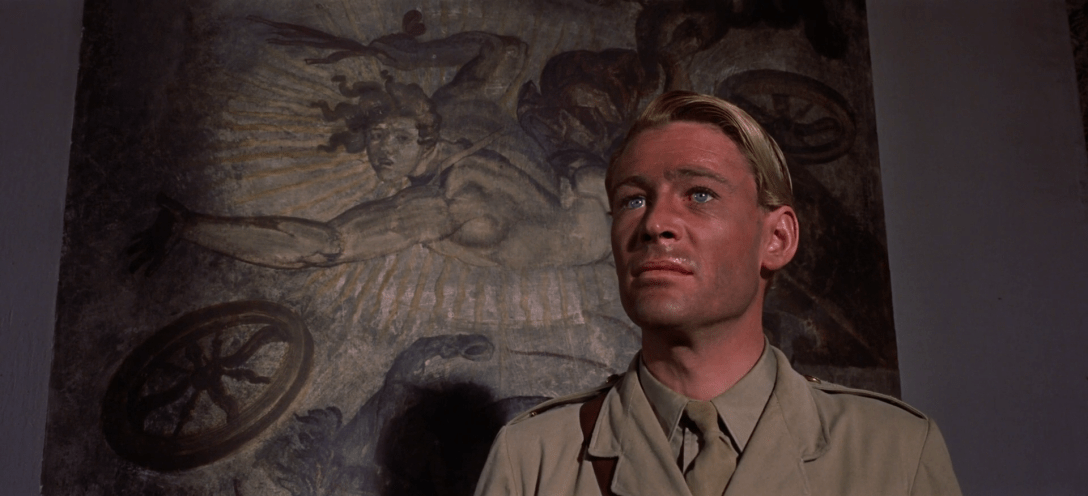
From the frost-bitten landscape of Russia, to the sand-swept dessert of Arabia, David Lean takes Alex and Jonathan across the globe today as we talk about The Bridge on the River Kwai (1959), Lawrence of Arabia (1965), and Doctor Zhivago (1965). We discuss the dichotomy of intimate character studies in grand political settings, using film technique to convey… Continue reading Episode 65. Lengthy Lean

Episode 64. Sequel Syndrome

When a film is successful, the natural next step is to make another one, which may or may not also be successful. Today Alex and Jonathan talk about the varying quality of sequels and look at Rambo: First Blood Part II (1985), The Matrix Reloaded (2003), and The Dark Knight (2008). We discuss the repeatability of sequels, ending… Continue reading Episode 64. Sequel Syndrome

Episode 63. Hepburn vs. Hepburn: Round 3 – Stay Alive

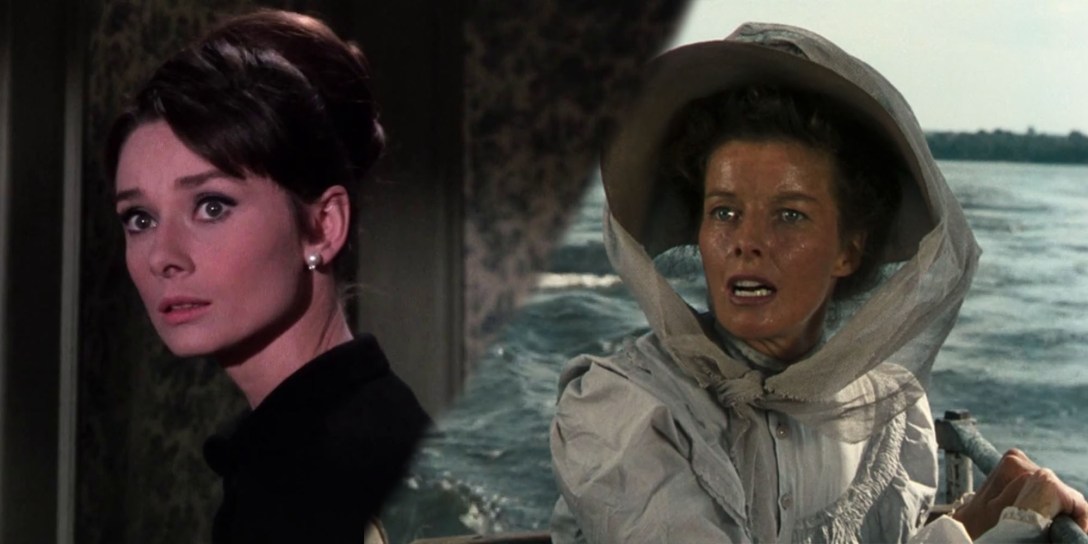
For the final episode in the Hepburn vs. Hepburn series, Alex and Jonathan discuss The African Queen (1951) starring Katharine Hepburn, and Charade (1963) starring Audrey Hepburn. We talk about Katharine's return to Hollywood and career after being "over the hill," Audrey's ability to mix comedy and fear, and how these films mark the end of an era… Continue reading Episode 63. Hepburn vs. Hepburn: Round 3 – Stay Alive

Episode 62. Mounting Mockumentaries

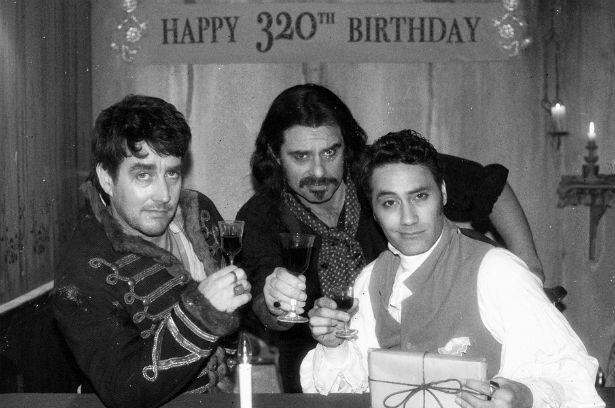
Following up podcast Episode 47: Dauntless Documentaries Alex and Jonathan take on the spin-off genre of mockumentaries and look at This is Spinal Tap (1984), Best in Show (2000), and What We Do in the Shadows (2014). We talk about the origins of the genre, benefits non-fiction filmmaking can gain from the documentary format, and the appeal of… Continue reading Episode 62. Mounting Mockumentaries

Episode 61. Wunderkind Welles

One of the biggest names in film history is the subject of today's podcast as Alex and Jonathan discuss the ups and downs of the career of Orson Welles and look at Citizen Kane (1941), Chimes at Midnight (1965), and F for Fake (1973). We talk about the legacy of Citizen Kane, the many controversies Welles' was involved in,… Continue reading Episode 61. Wunderkind Welles

Episode 60. Wild Westerns

In a long overdue genre episode, Alex and Jonathan take a journey through the western films of Hollywood's history and talk about Stagecoach (1941), The Good, the Bad and the Ugly (1966), and Django Unchained (2012). We discuss the various themes explored in westerns over time, controversies associated with western depictions of race, and the ways that specific genres… Continue reading Episode 60. Wild Westerns

Episode 59. Bonkers Brooks Feat. Aaron Johnson

Aaron Johnson, the podcast's inaugural guest, joins Alex and Jonathan again today to discuss the parodical world of Mel Brooks in Blazing Saddles (1974), Young Frankenstein (1974), and High Anxiety (1977). We talk about Brook's way of parodying different forms of film, using meta-humor, and his split love for directing and performing. https://youtu.be/l40qYhFTzO4?si=nC-a8_9Rgx5-8Vv8 https://open.spotify.com/episode/4oJRfqwRHXzSB2tZYTTiQL?si=7kq8nqTvScG1AkYLobeZFw Also on iTunes Skip… Continue reading Episode 59. Bonkers Brooks Feat. Aaron Johnson

Episode 58. Hepburn vs. Hepburn: Round 2 – The Cukor Corner

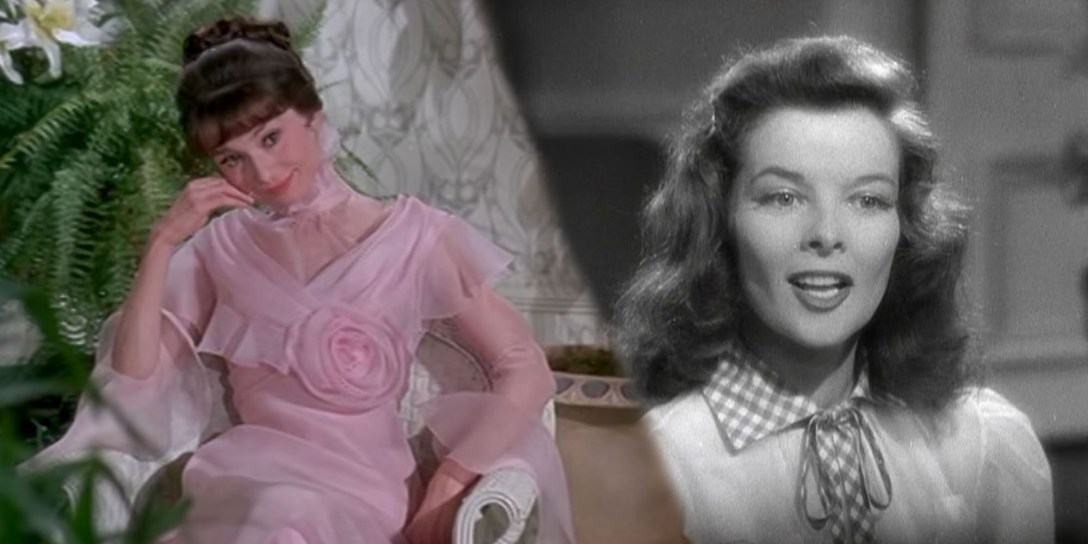
The listeners responded to our latest Twitter polls to decide what films Alex and Jonathan should discuss starring Katharine and Audrey Hepburn, and the result was two films both directed by George Cukor: The Philadelphia Story (1940), and My Fair Lady (1964). We discuss what it means to be a "woman's director," how Cukor approaches various romantic… Continue reading Episode 58. Hepburn vs. Hepburn: Round 2 – The Cukor Corner

Episode 57. Scott’s Scope

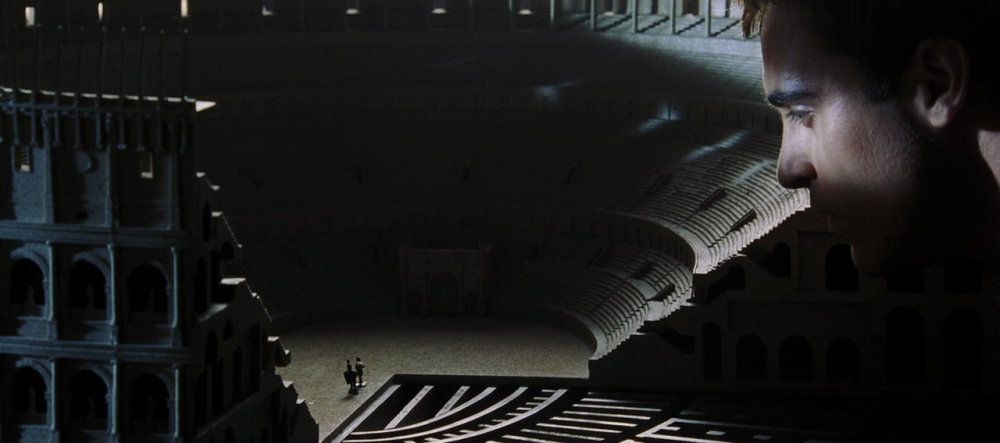
Alex and Jonathan are entertained this week by the wide variety of genres that Ridley Scott has been able to tackle as we watch Blade Runner (1982), Gladiator (2000), and Black Hawk Down (2001). We talk about how Scott incorporates themes into blockbuster entertainment, his technical fingerprint across genres, and his continuing body of work and influence. https://youtu.be/Jt62Na5Rm9k?si=xk6a-LUumREfmce9 https://open.spotify.com/episode/3XapyzvXgDo80nbtAxxvSW?si=IZIe-9UHSsuxu3gtpzDc7g Also on… Continue reading Episode 57. Scott’s Scope

Episode 56. Waxing Wuxia

Taking a quick break from American film this week, Alex and Jonathan head back to China and examine three landmark film of the wuxia genre: Dragon Inn (1967), Crouching Tiger, Hidden Dragon (2000), House of Flying Daggers (2004). We talk about the traditions of wuxia, the poeticism of the genre, and the various uses of visual effects to aid… Continue reading Episode 56. Waxing Wuxia

Ep 55. THE HITCH-HIKE: The Hitchcock Touch

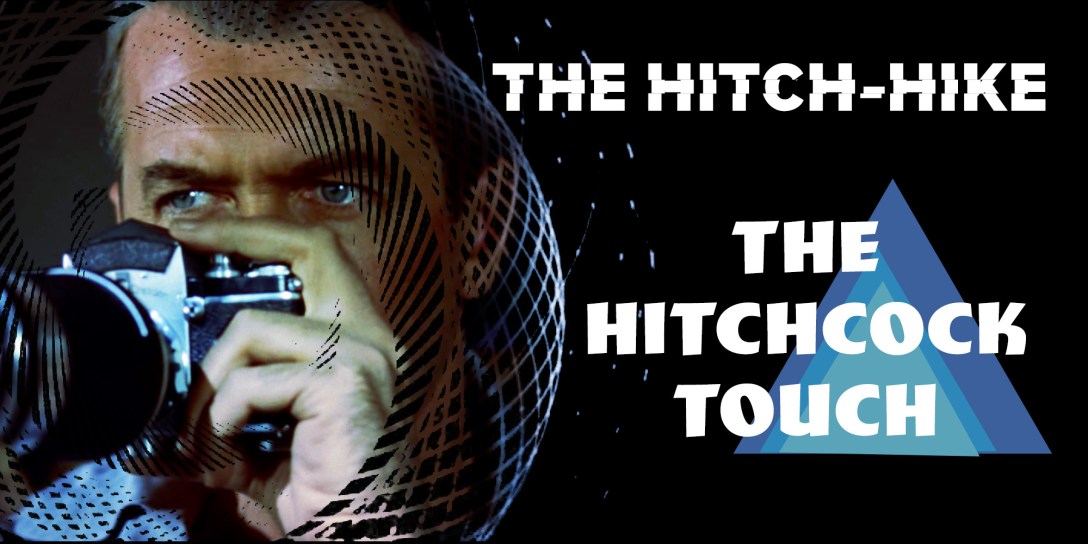
At the final stop of the Hitch-Hike Alex and Jonathan look at the versatility and expertise of Alfred Hitchcock's technical prowess in Rope (1948), Rear Window (1954), and The Wrong Man (1956). We discuss Hitchcock's one-take experiment, his ultimate cinematic metaphor, and filming true events. https://youtu.be/6o-zCMTyb0A?si=9D3I5GNpa7PONM_4 https://open.spotify.com/episode/4LMm5Xew3ZPrHJ5MzSw3Wt?si=OkK0ROCVTpCMX_uiFd2PlA Also on iTunes Skip to: Rope (4:48), Rear Window (23:57), The Wrong Man (59:49),… Continue reading Ep 55. THE HITCH-HIKE: The Hitchcock Touch

Ep 54. THE HITCH-HIKE: Villains

The better the villain, the better the picture. Alex and Jonathan put this phrase to the test as they look at the sinister side of Hitchcock's films and discuss the bad guys of Strangers on a Train (1951), Dial M for Murder (1954), and Psycho (1960). We talk about driving a film through its antagonist, keeping dialogue-heavy films… Continue reading Ep 54. THE HITCH-HIKE: Villains

Ep 53. THE HITCH-HIKE: Antiheroes

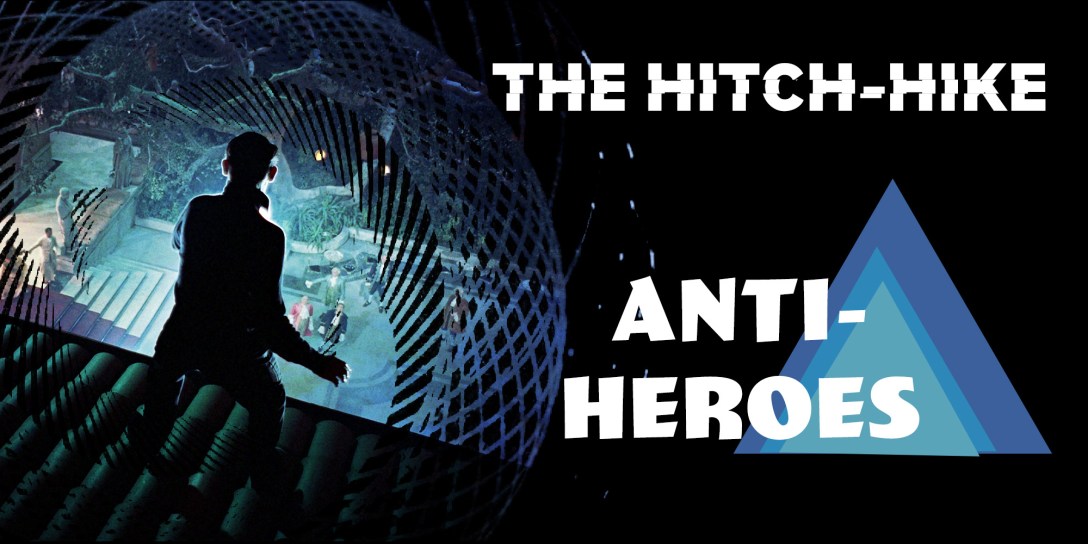
Not all protagonists are good role models. Today Alex and Jonathan look at characters that defy the typical ideas of heroism in Hitchcock's To Catch a Thief (1955), The Trouble with Harry (1955), and Vertigo (1958). We discuss what makes an antihero, the prevalence of antiheroes in comedy films, and how to keep an audience engaged with unlikeable characters. https://youtu.be/IS2OL5UoL30?si=fv0G9ttN0QlCldgU… Continue reading Ep 53. THE HITCH-HIKE: Antiheroes

Ep 52. THE HITCH-HIKE: The Women

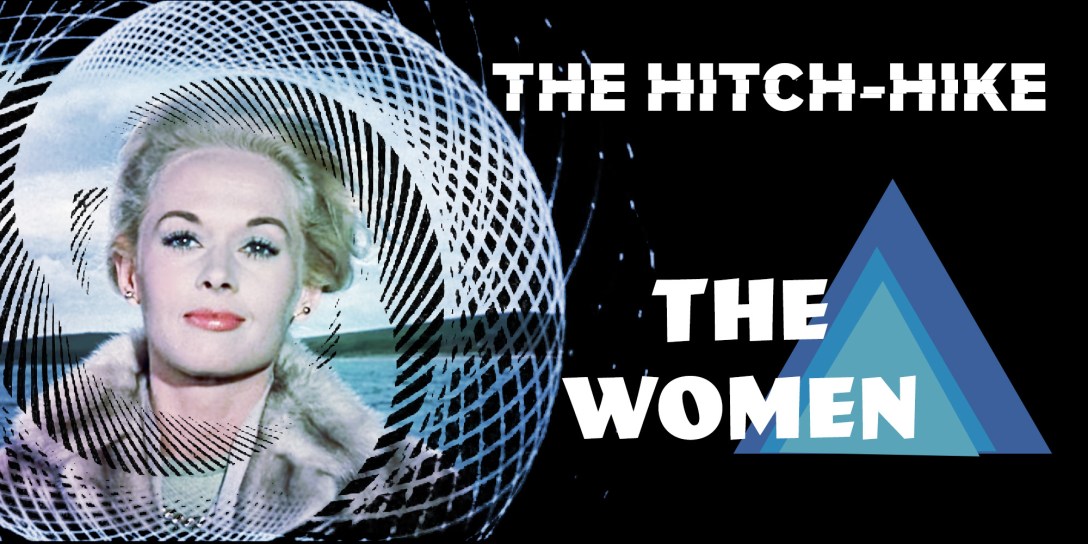
Blondes, brunettes, and mothers are the focus today and Alex and Jonathan look at the various portrayals of women in the Alfred Hitchcock films Spellbound (1945), The Birds (1963), and Marnie (1964). We discuss the different roles that women fill in Hitchcock's films, retelling a similar story while reversing gender roles, and appropriate/effective treatment of actors on set.… Continue reading Ep 52. THE HITCH-HIKE: The Women

Ep 51. THE HITCH-HIKE: The Wrong Men

To kick off season two of the podcast, Alex and Jonathan are taking five episodes to examine the work and themes of the great Alfred Hitchcock. Today we look at Hitchcock's "wrong man" theme in The Lodger (1927), The 39 Steps (1935), and North by Northwest (1959). We discuss spy thrillers with comedic tone, when Hitchcock reveals and… Continue reading Ep 51. THE HITCH-HIKE: The Wrong Men

Episode 50. Concluding with Christmas

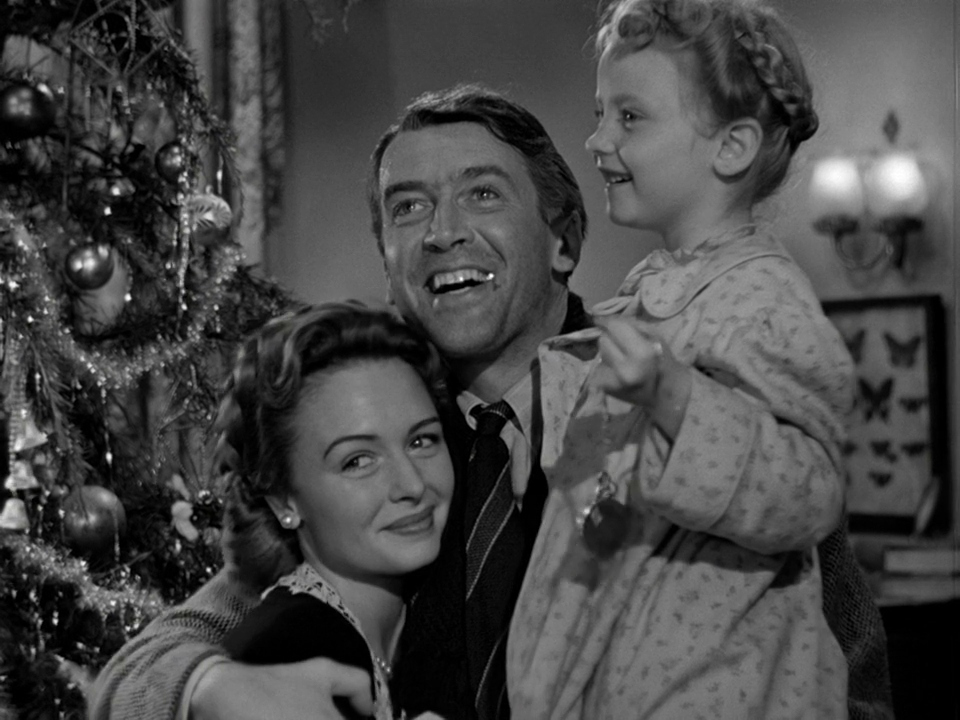
For the season one podcast finale, Alex and Jonathan take a look at five of the most classic and beloved Christmas films: It's a Wonderful Life (1946), A Christmas Story (1983), Die Hard (1944), The Muppet Christmas Carol (1992), and Elf (2003). We talk about what makes a Christmas movie, how Christmas movies portray and become traditions, and what makes… Continue reading Episode 50. Concluding with Christmas

Episode 49. Bibliographic Bogdanovich

Last week's Bringing Up Baby (1938) was a big influence on this week's director spotlight, Peter Bogdanovich. Alex and Jonathan take a look at his three major hits The Last Picture Show (1971), What's Up Doc? (1972), and Paper Moon (1973). We discuss Bogdanovich's early communication and friendship with the great directors of the Golden Age, creating a modern screwball… Continue reading Episode 49. Bibliographic Bogdanovich

Episode 48. Hepburn vs. Hepburn: Round 1 – Cat Fight

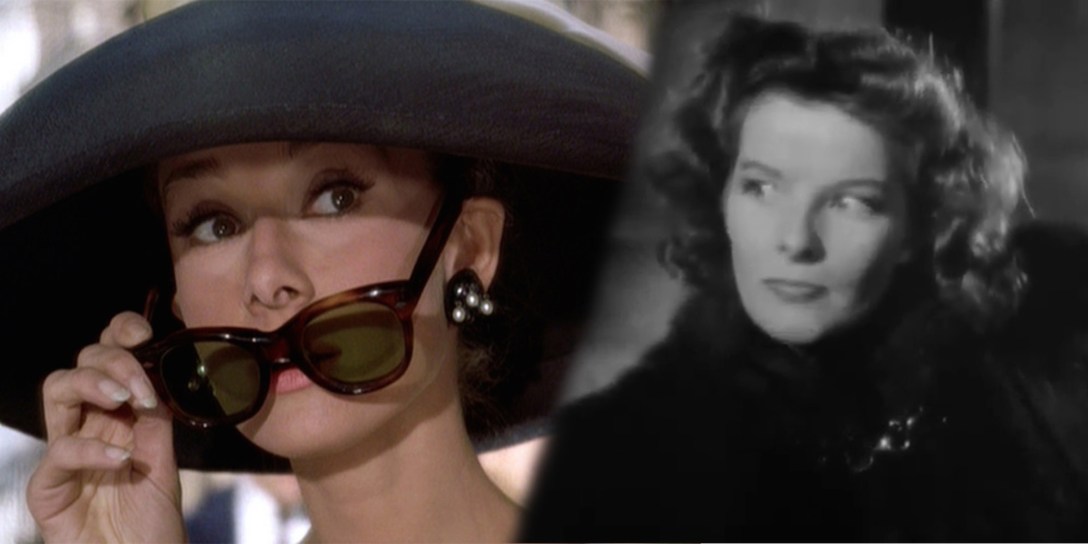
A friendly feud finally comes out in the open as Alex and Jonathan discuss the wonderful talents of the two most famous Hepburns: Katharine and Audrey. We watch Bringing Up Baby (1938) and Breakfast at Tiffany's (1961) and discuss the jokes of screwball comedies, each actress' typical persona, and controversial aspects of old movies. https://youtu.be/agv0q19NTWA?si=Nkrs0GbnzgWKidbn https://open.spotify.com/episode/5jXVmOjLfyfN27RB75XcWG?si=fIrJU9rRSFCT8TH9IdXpkw Also… Continue reading Episode 48. Hepburn vs. Hepburn: Round 1 – Cat Fight

Episode 47. Dauntless Documentaries [Video]
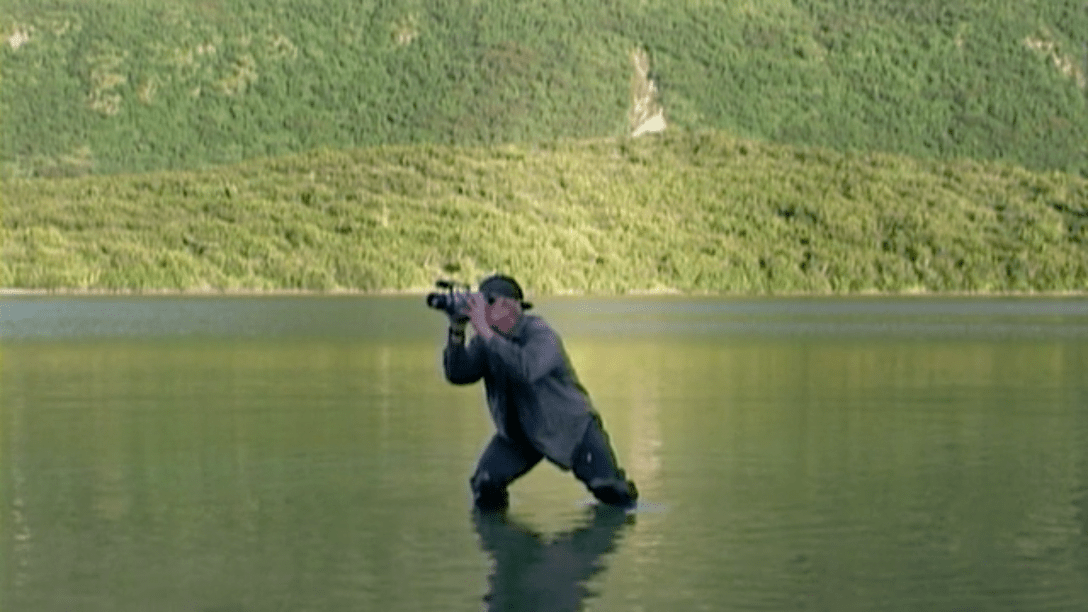
In a special video episode, Alex and Jonathan sit down to talk about three documentary films: Grey Gardens (1975), The Thin Blue Line (1988), Grizzly Man (2005). We talk about the ways documentaries speak to the audience, how to structure true events into a compelling narrative, and how documentary subjects are portrayed by the filmmakers. https://youtu.be/r0Gkra63j-A https://open.spotify.com/episode/7xleOG9XkksbMaiElklCZV?si=JdL4xnw9Q3iKSEXPPRCvcw Also… Continue reading Episode 47. Dauntless Documentaries [Video]
Episode 46. Amiable Aliens

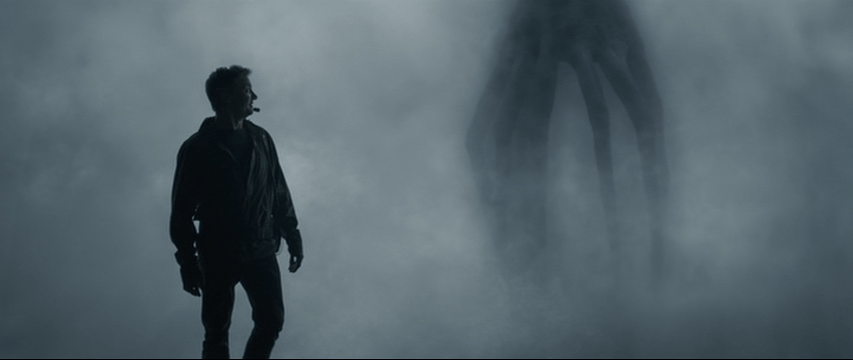
It's not a new genre this week but a couple of new species that Alex and Jonathan take a look at with three alien films: The Day the Earth Stood Still (1951), E.T. the Extra-Terrestrial (1982), Arrival (2016). We talk about how good science fiction comments on humanity in every era, the difference between science fiction and science fantasy,… Continue reading Episode 46. Amiable Aliens

Episode 45. Happy Henson Feat. Hayden Chauffe

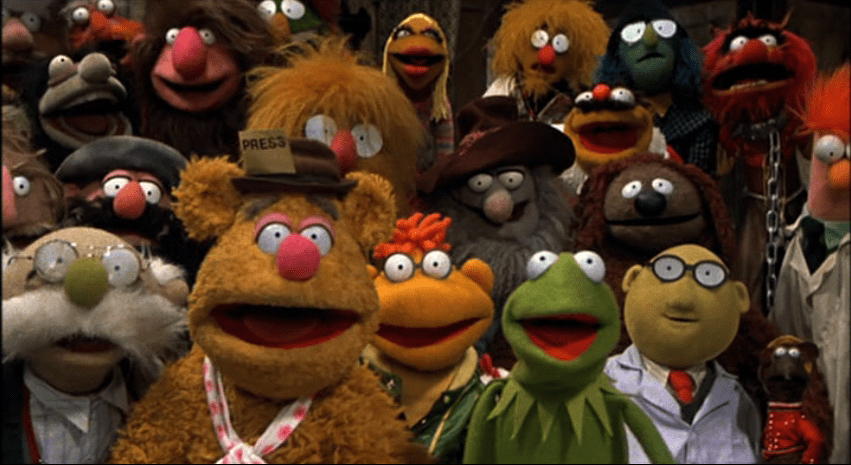
Friend of the podcast, Hayden Chauffe, returns to talk with Alex and Jonathan about the feature film works of one of his biggest influences, Jim Henson: The Great Muppet Caper (1981), The Dark Crystal (1982), Labyrinth (1986). We talk about the history of Henson's puppet work, building fantasy worlds in miniature, and the modern use of muppets and… Continue reading Episode 45. Happy Henson Feat. Hayden Chauffe

Episode 44. The Bollywood Beat

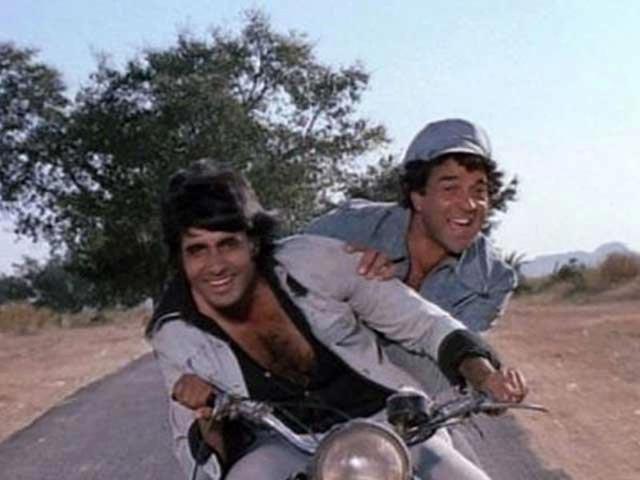
Alex and Jonathan make the first of many rounds into the colorful and exciting world of Bollywood cinema with Sholay (1975), Asoka (2001), and Dangal (2016). We talk about how India takes the western genre to new heights, keeping historical epics on-target, and the skills and shapes actors can adopt to make a film more believable. https://youtu.be/KefSnkwmRb4?si=0WmJWp-u0JI_ta5X https://open.spotify.com/episode/1gewjtFp37spK3MDbYuTwM?si=mYRJkdZAS_6zdi47jufGfQ Also… Continue reading Episode 44. The Bollywood Beat

Episode 43. Eastern Eeriness Feat. Emily Geringer

It's the spookiest time of the year, and this week Alex and Jonathan invite special guest Emily Geringer to discuss three hallmark horror films from Japan and Korea: Audition (1999), Ju-on: The Grudge (2002), and A Tale of Two Sisters (2003). We discuss manipulating time to build mystery and suspense, how a compelling story can transcend recycled cinematic elements,… Continue reading Episode 43. Eastern Eeriness Feat. Emily Geringer

Episode 42. Legendary Lang

As Halloween approaches, Alex and Jonathan return to the shadowy films of German Expressionism with Fritz Lang's Destiny (1921), M (1931), and The Testament of Dr. Mabuse (1933). We talk about the influence of German fairy tales on German Expressionism, the introduction of sound in Lang's films, and how Lang crafts social commentary over time. https://youtu.be/6YAlBhmBPe4?si=SVftTT2Bv2_rpEHV https://open.spotify.com/episode/7Mje5t6TcoWJVT0dRZIX8P?si=NHgl9rRIQnuvDbkKijhXew Also… Continue reading Episode 42. Legendary Lang

Episode 41. Bourne Beat by Beat

Alex and Jonathan return to some childhood favorite films with the Jason Bourne trilogy, specifically The Bourne Identity (2002), The Bourne Supremacy (2004), and The Bourne Ultimatum (2007). We discuss subjective storytelling through cinematography, two directors creating a cohesive story over three films, and how a realistic spy series contrasts with other popular action franchises. https://youtu.be/bJjQGcDksgY?si=BS93XvtcQ1iOpsN7 https://open.spotify.com/episode/426cpE3dKpPcvCckHAQonw?si=zn45yu6qTAyvuEiZJcqJbQ Also on… Continue reading Episode 41. Bourne Beat by Beat

Episode 40. Trancing Tarkovsky

In the first episode to circle back to the World Tour series, Alex and Jonathan give a closer look to the work of legendary Russian director Andrei Tarkovsky with the films Ivan's Childhood (1962), Solaris (1972), The Mirror (1975). We discuss how Tarkovsky uses textured images and sound to make his worlds feel true to life, approaching filmmaking with… Continue reading Episode 40. Trancing Tarkovsky

Episode 39. Kinaesthetic Kubrick

Follow us into a meticulous and colorful maze of cinema this week as we talk about the unique works of Stanley Kubrick: Dr. Strangelove or: How I learned to Stop Worrying and Love the Bomb (1964), 2001: A Space Odyssey (1965), The Shining (1980). We discuss Kubrick's demanding directing style, his various approaches to story adaptations, and atmospheric versus plot-centric… Continue reading Episode 39. Kinaesthetic Kubrick

Episode 38. Charming Chaplin

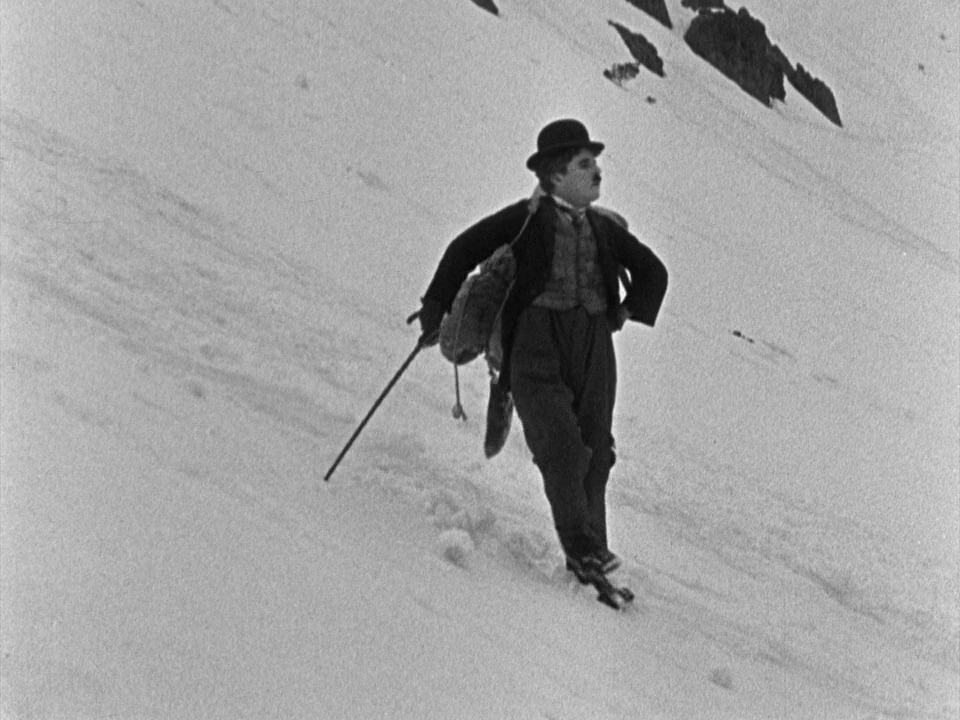
Charlie Chaplin won our most recent Twitter poll about the silent film stars of Hollywood, so Alex and Jonathan take a look at three of the Tramp's most iconic appearances: The Gold Rush (1925 & 1942), Modern Times (1936), and The Great Dictator (1940). We talk about the universality of physical comedy, Chaplin's technical innovations, and how he… Continue reading Episode 38. Charming Chaplin

Episode 37. Branagh and the Bard

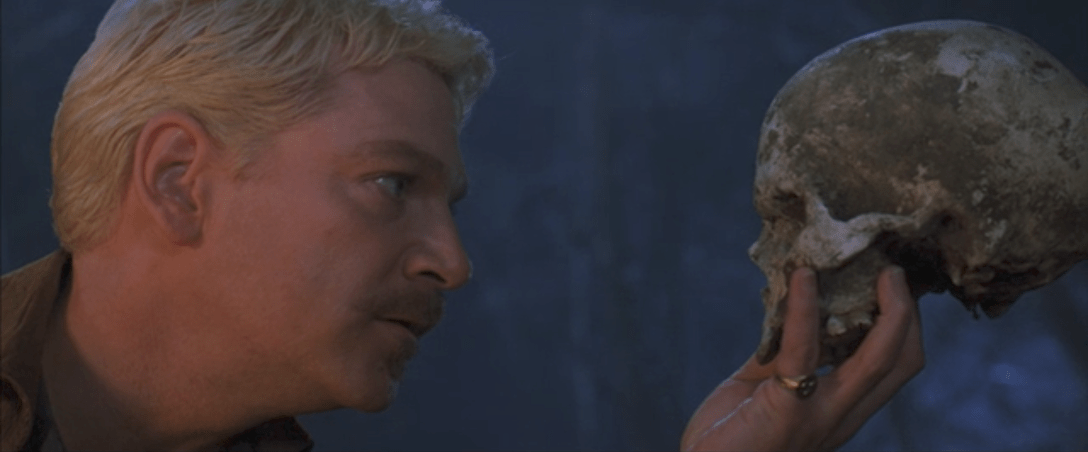
Words, words, words.–Hamlet (Act II, Scene II) Some of the most famous words in history are the basis of the films Alex and Jonathan are looking at today as we get into Kenneth Branagh's adaptations of William Shakespeare's Henry V (1989), Much Ado About Nothing (1993), and Hamlet (1996). We talk about directing from an acting background, adapting… Continue reading Episode 37. Branagh and the Bard

Episode 36. Body Count Coen Brothers Feat. Benjamin Angrisano

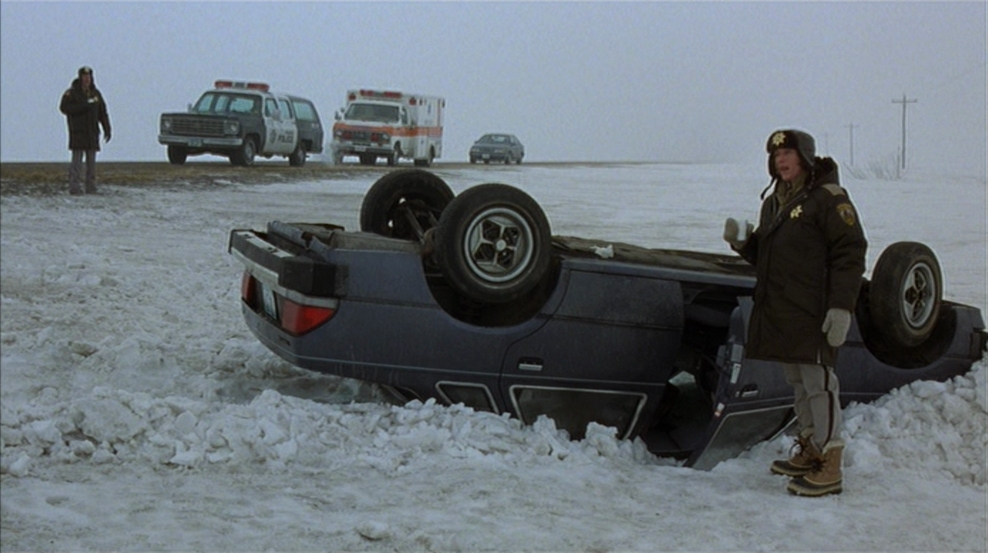
Benjamin Angrisano, long-time friend of the Filmlings and Coen Brother's enthusiast, joins Alex and Jonathan to talk about some of the Coen's darker films: Blood Simple. (1984), Fargo (1996), and No Country for Old Men (2007). We talk about infusing humor into darker themes, opposing mindsets and worldviews of characters, and how ambiguity can make a film more… Continue reading Episode 36. Body Count Coen Brothers Feat. Benjamin Angrisano

Episode 35. Meta Musicals

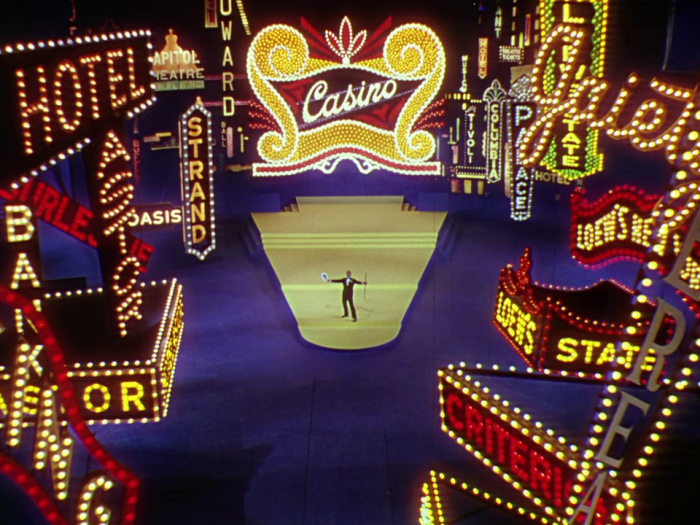
This week Alex and Jonathan dance into new territory as we discuss three landmark musicals in film history: 42nd Street (1933), Singin' in the Rain (1952), and La La Land (2016). We discuss technical innovations of early musicals, the lasting legacy of the musical's Golden Age, and the current and potential future state of the movie musical. https://youtu.be/MQ_G2TKIpkQ?si=IU59b-UVHG5D8Bpl… Continue reading Episode 35. Meta Musicals

Episode 34. Classic Capra

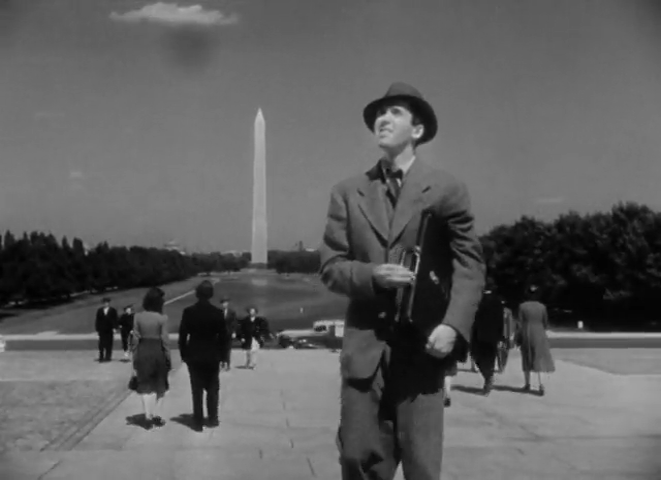
Back in America after a long series abroad, Alex and Jonathan look at the life and work of all-American director Frank Capra with It Happened One Night (1934), Mr. Smith Goes to Washington (1939), and Arsenic and Old Lace (1944). We talk about the limitations and creativity that came from the Hays Code, innovations Capra made in directing… Continue reading Episode 34. Classic Capra

Ep 33. WORLD TOUR: Last Layovers

As the World Tour comes to an end, Alex and Jonathan make a few final stops on the way home to talk about the further reaches of world cinema. We stop in Sweden with Hour of the Wolf (1968), in Taiwan with A Touch of Zen (1971), and in Brazil with City of God (2002). We talk about… Continue reading Ep 33. WORLD TOUR: Last Layovers

Ep 32. WORLD TOUR: Introspective Iran

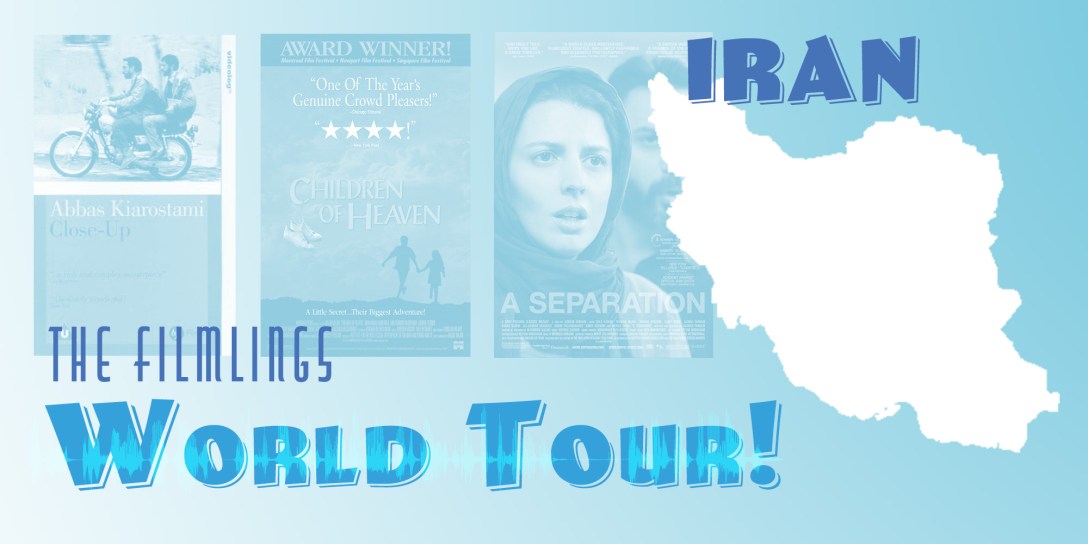
As the World Tour starts to wind down, Alex and Jonathan make a stop in Iran to look at the small, personal films Close-Up (1990), Children of Heaven (1997), and A Separation (2011). We talk about portraying compassion in film, movies without a "bad guy," and the self-sufficiency of Iranian cinema. https://youtu.be/sedViVwMkHY https://open.spotify.com/episode/0MXVUpi83bw2hdEuLwj0Dc?si=BFDqbM8STHWdZDBSnJDIog Also on iTunes Skip to: Close-Up (4:19),… Continue reading Ep 32. WORLD TOUR: Introspective Iran

Ep 31. WORLD TOUR: Kruel Korea

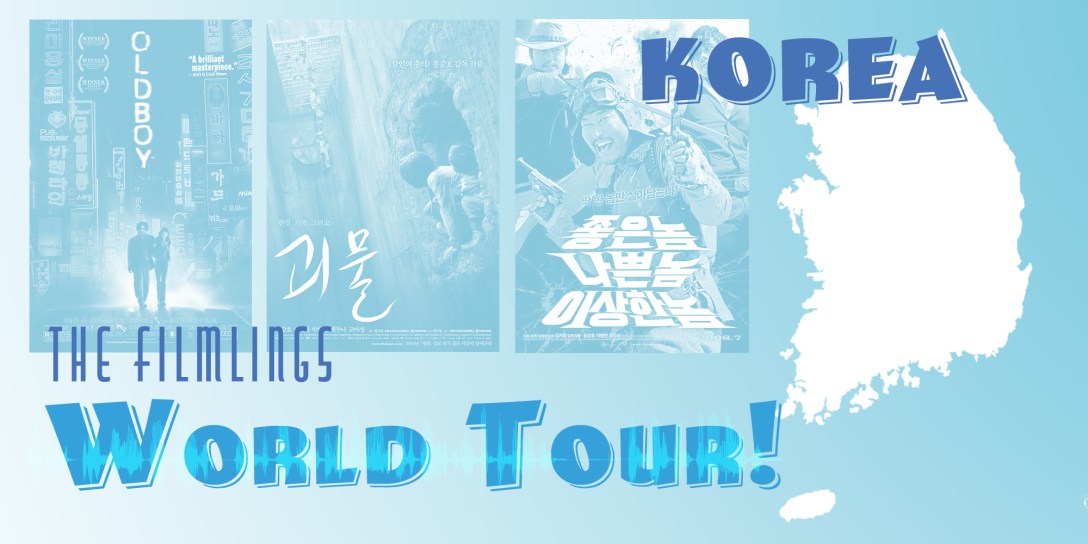
The World Tour carries Alex and Jonathan to South Korea this week where we look at Oldboy (2003), The Host (2006), and The Good the Bad the Weird (2008). We discuss elements that make up neo-noir films, mixing tones, and the pervasive violence of Korean film. https://youtu.be/Ek_Kwo-lK9g?si=99SFdlD1Kni_pUI4 https://open.spotify.com/episode/0dfVosdMnMZBEvJnDwlTTs?si=9OVQ9sEbStGGqSNUcie1Aw Also on iTunes Skip to: Oldboy (2:49), The Host (25:40), The Good the… Continue reading Ep 31. WORLD TOUR: Kruel Korea

Ep 30. WORLD TOUR: Russian Ruminations

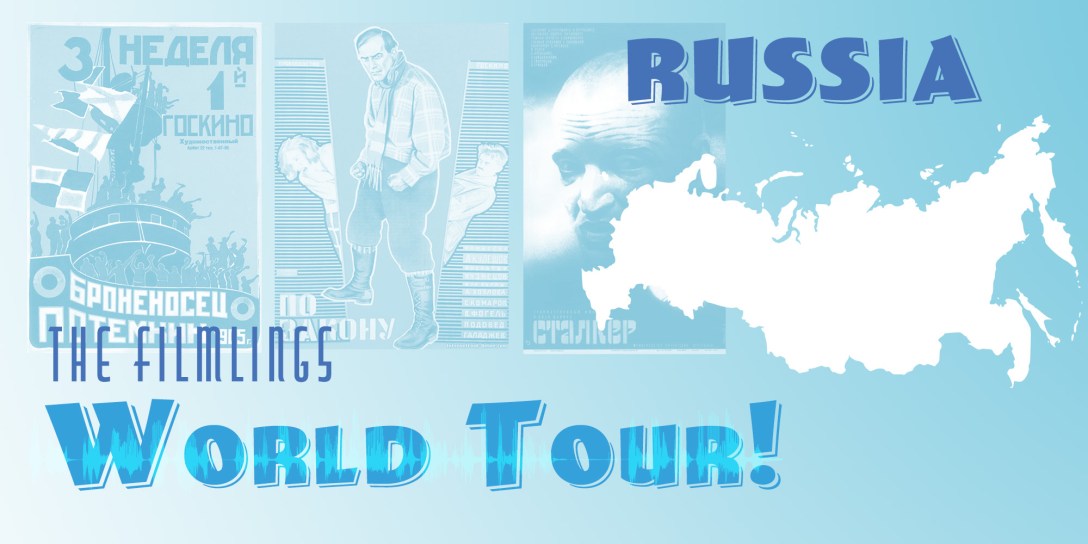
As Dostoyevsky once wrote: "All true Russians are philosophers." This week Alex and Jonathan head to Russia and look at three legendary and formative filmmakers with Sergei Eisenstein's Battleship Potemkin (1925), Lev Kuleshov's Po Zakonu (1926), and Andrei Tarkovsky's Stalker (1975). We talk the various forms and uses of montage, the Kuleshov effect, and filmmaking outside the bounds of traditional… Continue reading Ep 30. WORLD TOUR: Russian Ruminations

Ep 29. WORLD TOUR: Dunkel Deutschland

This week Alex and Jonathan go way back and take a look at German Expressionism with The Cabinet of Dr. Caligari (1920), Nosferatu (1922), and Metropolis (1927). We talk about the theatricality of early film, conventions of German Expressionism, and why the influence of German Expressionism will never fade. https://youtu.be/EXGdzfqrWpE?si=BEdusu0FDxvq3bil https://open.spotify.com/episode/0ZLT0JDFxwYZXNRKd57KJs?si=5laV0WDoTsGStRLbr7WRhw Also on iTunes Skip to: The Cabinet of Dr.… Continue reading Ep 29. WORLD TOUR: Dunkel Deutschland

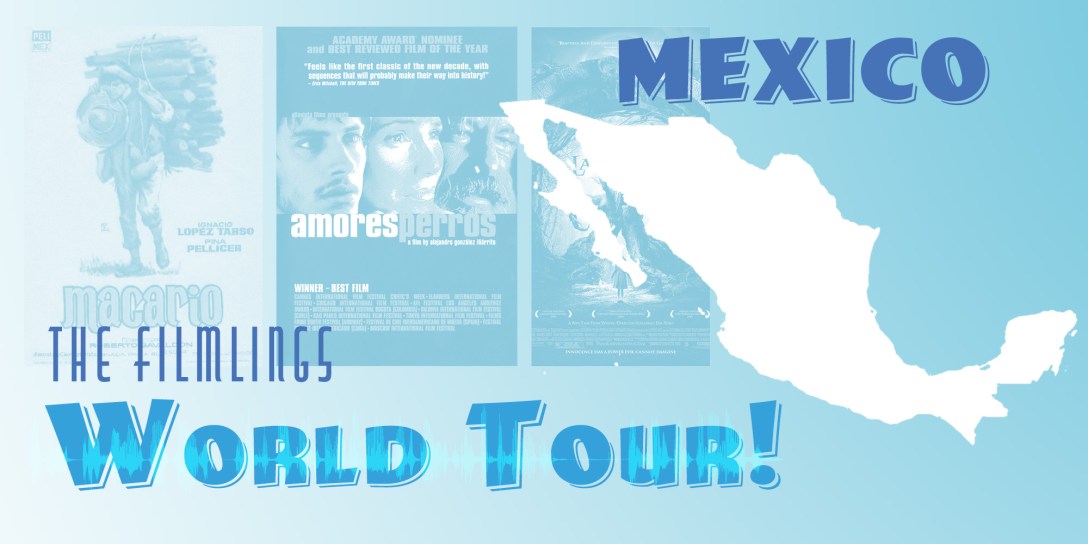
Ep 28. WORLD TOUR: México Macabro

Alex and Jonathan head south of the border this week to talk about three Mexican films: Macario (1960), Amores Perros (2000), and Pan's Labyrinth (2006). We talk the significance of a story within the story, the international influence of Quentin Tarantino, and how Hollywood has benefitted from Mexican filmmakers. https://youtu.be/0Z2GQtBgVS8?si=-l46IgjiN0Lxjh5R https://open.spotify.com/episode/10mkMiqKGd55NivWuoBRX1?si=ICfO5XgwRFKS8RnB1bfKiA Also on iTunes Skip to: Macario (4:06), Amores Perros (20:02),… Continue reading Ep 28. WORLD TOUR: México Macabro

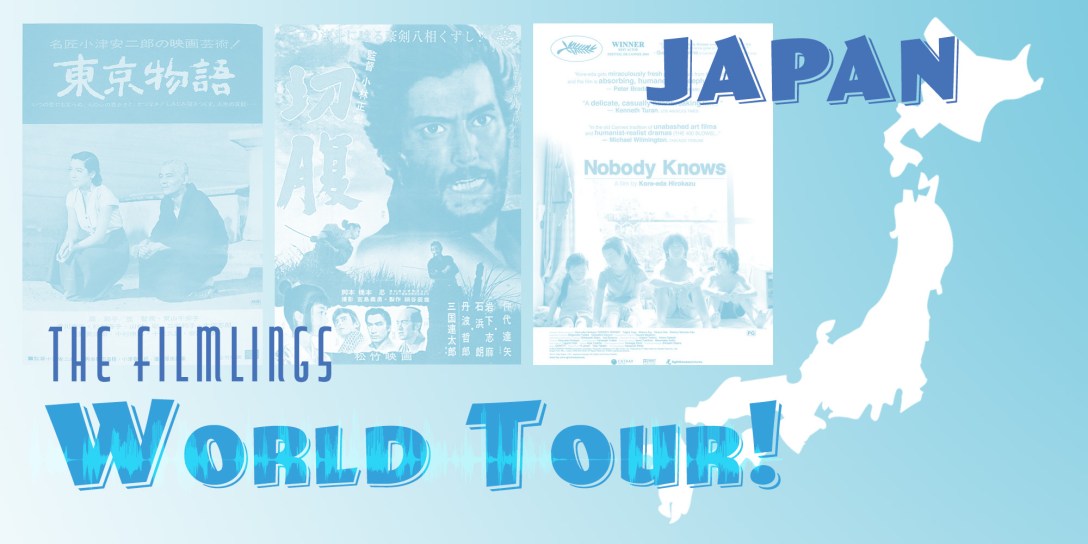
Ep 27. WORLD TOUR: Japan Juxtaposed

It's back to Japan this week for Alex and Jonathan, but not for anime or Akira Kurosawa. We take a look at three other directors with Masaki Kobayashi's Harakiri (1963), Yasujirô Ozu's Tokyo Story (1952), and Hirokazu Koreeda's Nobody Knows (2004). We discuss various kinds of family drama in Japanese films, the distinction between "big" and "small" movies,… Continue reading Ep 27. WORLD TOUR: Japan Juxtaposed

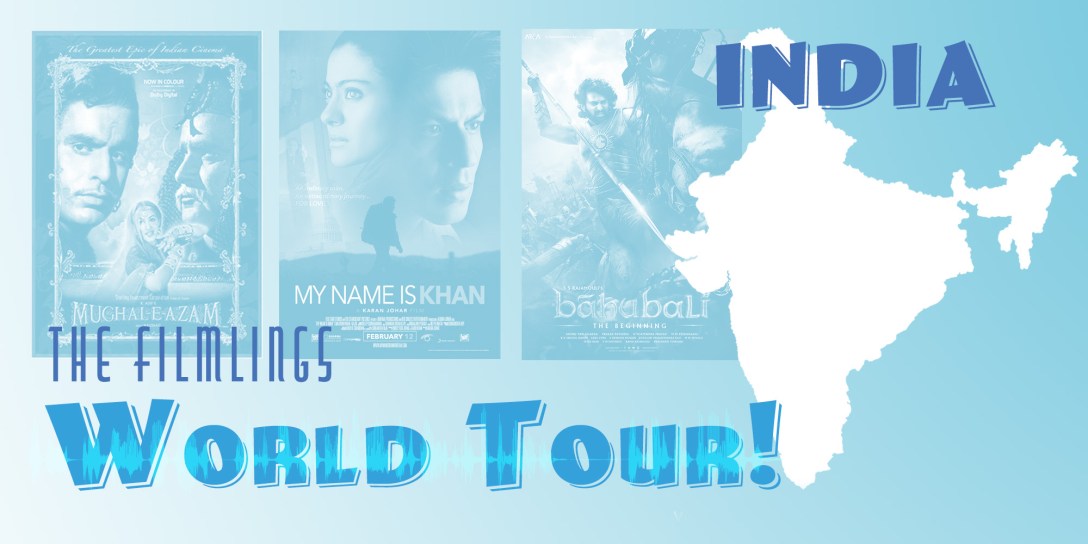
Ep 26. WORLD TOUR: India Inundation

This week the World Tour carries Alex and Jonathan to India and the world's largest combined film market where we look at the Kollywood film Mughal-E-Azam (1960), the Bollywood film My Name is Khan (2010), and the Tollywood film Baahubali: The Beginning (2015). We talk the history and scope of Indian cinema, film rhetoric turned up to 11, and… Continue reading Ep 26. WORLD TOUR: India Inundation

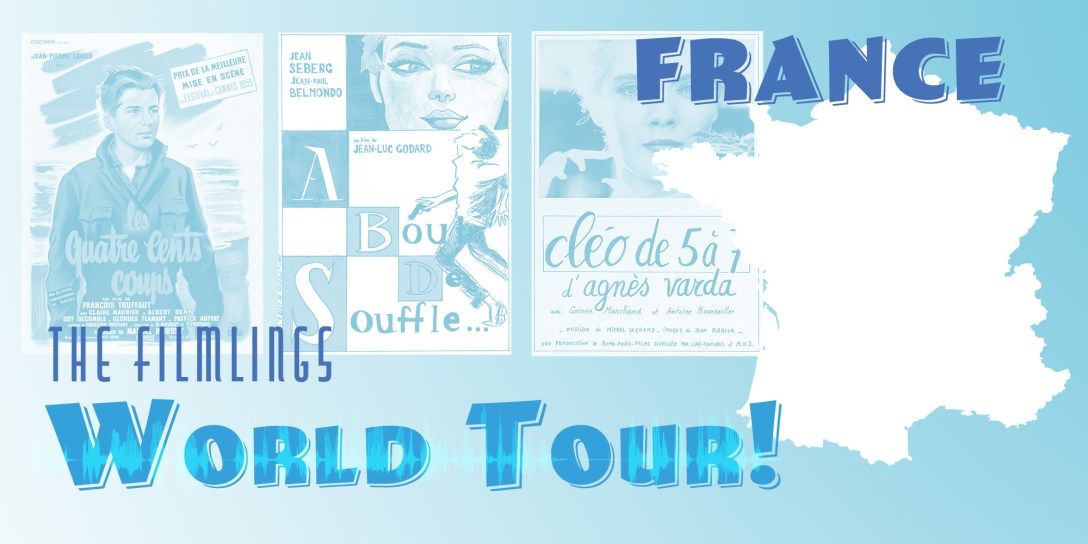
Ep 25. WORLD TOUR: France Fraiche

Following on the heels of Italian Neorealism came the French New Wave, so Alex and Jonathan take a trip to France and discuss three films from this explosive movement: The 400 Blows (1959), Breathless (1960), and Cleo from 5 to 7 (1962). We talk about stylistic innovations, semi-autobiographical filmmaking, and the origins of auteur theory. https://youtu.be/OY0F9TMMygk?si=MV5S_F2prKs_7Hxj https://open.spotify.com/episode/4CJK6AQRIO6W7JQ04359fH?si=E7piDjVwRRCWez4MW058Fw Also on iTunes… Continue reading Ep 25. WORLD TOUR: France Fraiche

Ep 24. WORLD TOUR: Italia Infelice

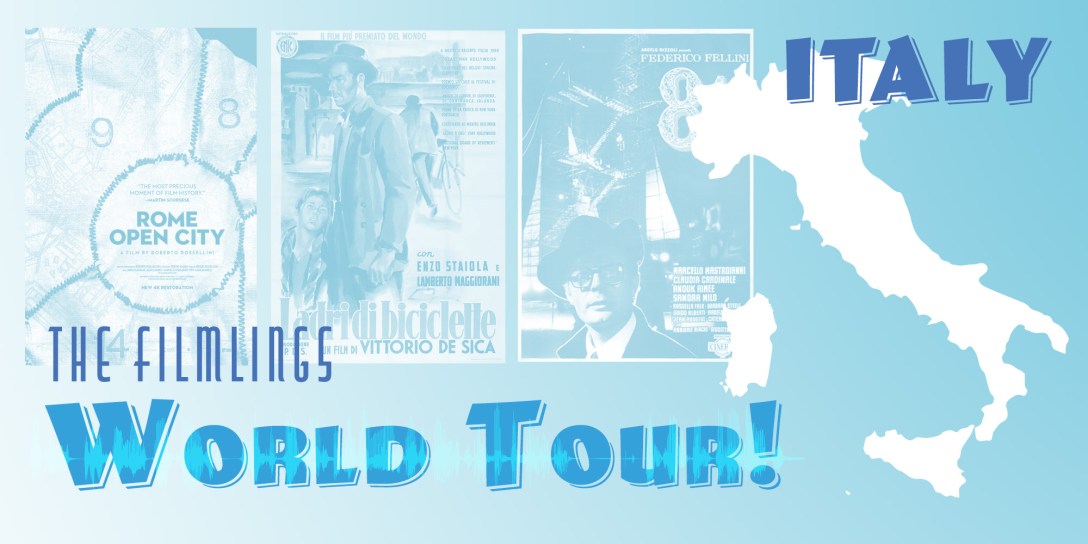
Alex and Jonathan say ciao to America this week as we embark on the first stage of our new ten-week World Tour series! Our first stop is Italy where we take a look at the Italian neorealism films Rome, Open City (1945) and Bicycle Thieves (1948) and the post-neorealism film 8 1/2 (1963). We talk about the effect… Continue reading Ep 24. WORLD TOUR: Italia Infelice

Episode 23. Samurai in Space

Alex and Jonathan reach for the stars in the final part of the samurai series as we look at Akira Kurosawa's The Hidden Fortress (1958), and George Lucas' Star Wars (1977). We discuss the difference between adaptation and inspiration, the amorphous definition of "original," and factors that create lasting cultural impact. https://youtu.be/wtV-42VeV2o https://open.spotify.com/episode/1HPpIfmQWMBsH7tRfOOLyb?si=5a82LY9tQpaMHHFx1koRew Also on iTunes Skip to:… Continue reading Episode 23. Samurai in Space

Episode 22. Brilliant Biopics

Where is the line between story and history? That's the question as Alex and Jonathan take a look at three great films about three great historical figures: Amadeus (1984), The Last Emperor (1987), and The Aviator (2004). We talk about factual accuracy versus dramatic license, cinematic portrayal of flawed lives, and the uniqueness of film's distinct documentary and biopic genres. https://youtu.be/t4II98za6hs?si=mNe8I8DdXHVPf66R… Continue reading Episode 22. Brilliant Biopics

Episode 21. Klash of the Kongs

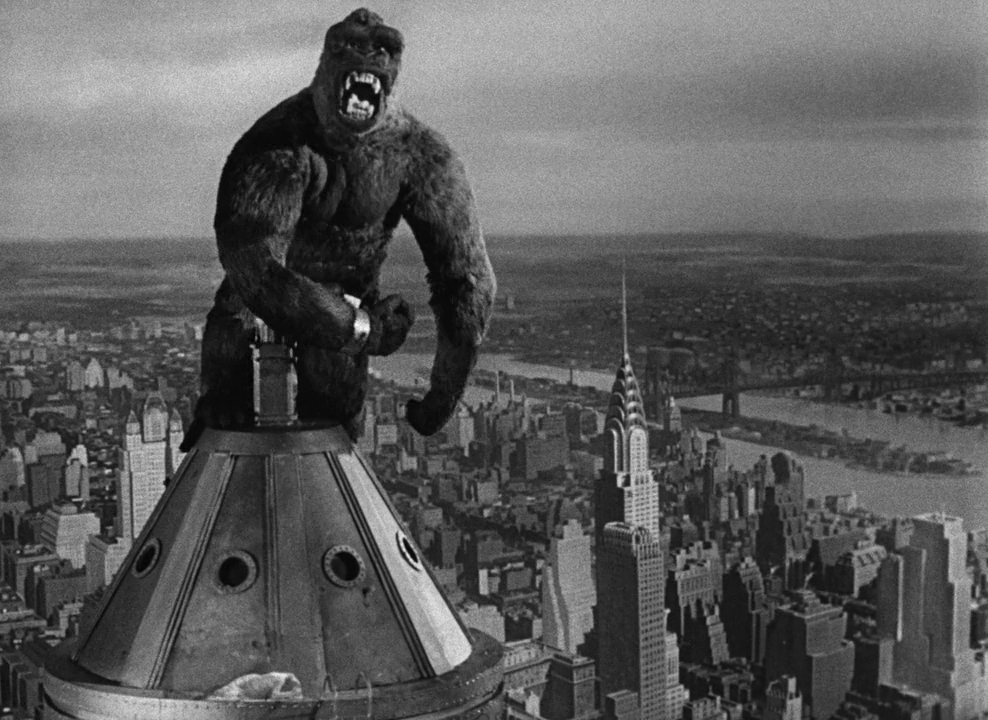
The greatest of all American movie monsters takes center stage this week as Alex and Jonathan discuss King Kong (1933), King Kong (1976), and King Kong (2005). We talk about keeping the heart of a remake, the evolution of visual effects, and modern legends. https://youtu.be/s88f7QFX7Ds?si=Z8hsJ4t5KkQocOA9 https://open.spotify.com/episode/0BkLx7IcJDk4bNtpxRGeIZ?si=v1QNLsUqTuqqdz9jJUQ8sg Also on iTunes Skip to: King Kong (1933) (3:55), King Kong (1976) (22:35), King… Continue reading Episode 21. Klash of the Kongs

Episode 20. Samurai and Sombreros Vol. 3

In the third installment of our Samurai and Sombreros series, Alex and Jonathan look at Akira Kurosawa's Rashomon (1950) and it's western genre adaptation The Outrage (1964). We talk Rashomon's technical innovations, what makes a work stand the test of time, and examples of the "Rashomon Effect." https://youtu.be/Mio9gL2gD_k https://open.spotify.com/episode/130wpDISsx7Cf0YaMEhm1N?si=157gFAAtTfiwQ7X2S7qhTA Also on iTunes Skip to: Rashomon (3:55), The Outrage (22:35), Overall (40:57), Coming Attractions (55:10)… Continue reading Episode 20. Samurai and Sombreros Vol. 3

More on Meyers

This post is an addendum to podcast Episode 19. Maternal Meyers. As if we didn't blab enough in the podcast, but in case you would like to know more about Meyers... When I think about Nancy Meyers, I think about her sizzling characters.  I think about her particularity. Her strong will. I think about her huge… Continue reading More on Meyers

Episode 19. Maternal Meyers Feat. Andrea Millard

Guest Andrea Millard joins Alex and Jonathan this week to talk about the career of writer/director Nancy Meyers with Baby Boom (1987), The Parent Trap (1998), and The Intern (2015). We talk female protagonists, growing from a writer to a director, and refining development of themes over time. https://youtu.be/zFIXbsq_7-c?si=VZgm2yzlp4CJePyK https://open.spotify.com/episode/5p2FKKg2TVpci9ibYk1gAQ?si=KIOWE0AJQb22xi2-Wl1Q4Q Also on iTunes Skip to: Baby Boom (7:45), The Parent Trap (27:41), The Intern (53:47), Overall (1:17:35), Coming… Continue reading Episode 19. Maternal Meyers Feat. Andrea Millard

Episode 18. Lying Lynch

This has all been pre-recorded. Bringing last week's surrealism discussion into the modern day, Alex and Jonathan take a look at three films by contemporary surrealist David Lynch: Eraserhead (1977), Blue Velvet (1986), and Mulholland Drive (2001). We discuss the Lynch's use of color and sound, varying degrees of surrealist influence, and atmospheric storytelling. https://youtu.be/KEX2VSgZN0E?si=7o51_oScPuCN_878 https://open.spotify.com/episode/35I65LJCuyFJEkpJOJUSOW?si=jUhKQfn7RKOzRtF1zlwlCw Also on iTunes… Continue reading Episode 18. Lying Lynch

Episode 17. Bougie Buñuel [Video]
Social conventions are broken and non-sequiturs abound in our movies this week as Alex and Jonathan discuss Luis Buñuel's L'Age d'or (1930), The Exterminating Angel (1962), and The Discreet Charm of the Bourgeoisie (1972), with Un Chien andalou (1929) thrown in for good measure. We talk the social temper tantrum of the Surrealists, scene-driven plots, and the ripple effect of… Continue reading Episode 17. Bougie Buñuel [Video]
Episode 16. Toy Story or: How Alex Learned to Stop Worrying and Love Pixar

Reach for the play button! This week Alex and Jonathan cover the first true series of films on the podcast with the listener-suggested Toy Story trilogy: Toy Story (1995), Toy Story 2 (1999), Toy Story 3 (2010). We talk the evolution of computer animated film, children's entertainment that isn't childish, and sequels that build on the story advancements… Continue reading Episode 16. Toy Story or: How Alex Learned to Stop Worrying and Love Pixar

Episode 15. Cornetto Crash Course

Grab some ice cream and switch off with us this week as Alex and Jonathan talk through Edgar Wright's Three Flavors Cornetto Trilogy: Shaun of the Dead (2004), Hot Fuzz (2007), and The World's End (2013). We talk blending genres, what makes a "thematic trilogy," and comedy with layered dimensions. https://youtu.be/no0w-st8P1w?si=dlz_9i82y66d6GvQ https://open.spotify.com/episode/6EpcADKbhhdFs0UeKsHrgv?si=MQ8uSiNURg2lWlwAjQgzQw Also on iTunes Skip… Continue reading Episode 15. Cornetto Crash Course

Episode 14. Samurai and Sombreros Vol. 2

Once again we pit sword-masters against gunslingers in part two of our Samurai and Sombreros series. This week Alex and Jonathan discuss Akira Kurosawa's Yojimbo (1961) and Sergio Leone's A Fistful of Dollars (1964). We talk about tonal changes in adaptations, visual character development, and varied uses of violence and humor. https://youtu.be/LpTGp0zlTZA https://open.spotify.com/episode/1bQ4rPmsJFwAwwiIRQVJq0?si=spsjROY4Ro6djX_z9n3KDw Also on iTunes Skip to: Yojimbo (3:33), A Fistful… Continue reading Episode 14. Samurai and Sombreros Vol. 2

Episode 13. Cyberpunk Chaos Feat. Jason Harden

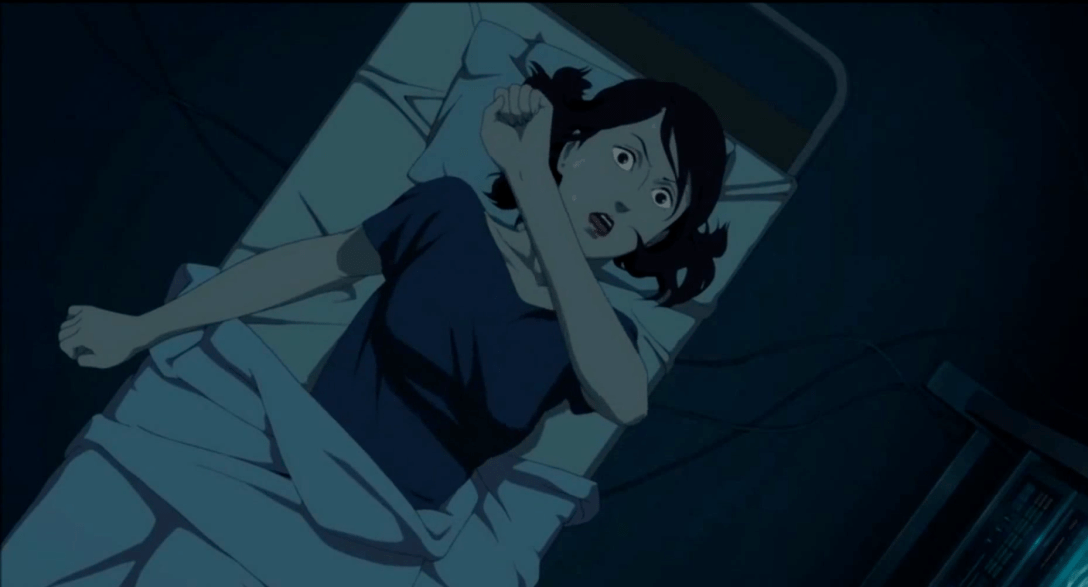
You're not dreaming, we have a new podcast! Plug us into your head and listen as Alex and Jonathan invite friend Jason Harden to the show to talk about three Japanese cyberpunk films: Akira (1988), Ghost in the Shell (1995), and Paprika (2006). We talk about the impact of hand-made animation, the influence of anime on western… Continue reading Episode 13. Cyberpunk Chaos Feat. Jason Harden

Episode 12. The High School Hughes

Let us be your vehicle to escape your problems this week as Alex and Jonathan talk through three of John Hughes' high school films: Sixteen Candles (1984), The Breakfast Club (1985), and Ferris Bueller's Day Off (1986).  We discuss how comedy ages, use and critique of stereotypes, and unique character dynamics in a high school setting. https://youtu.be/t_5sJRhqxTQ?si=D2zwSVq6OCeIUGwX… Continue reading Episode 12. The High School Hughes

Episode 11. Samurai and Sombreros

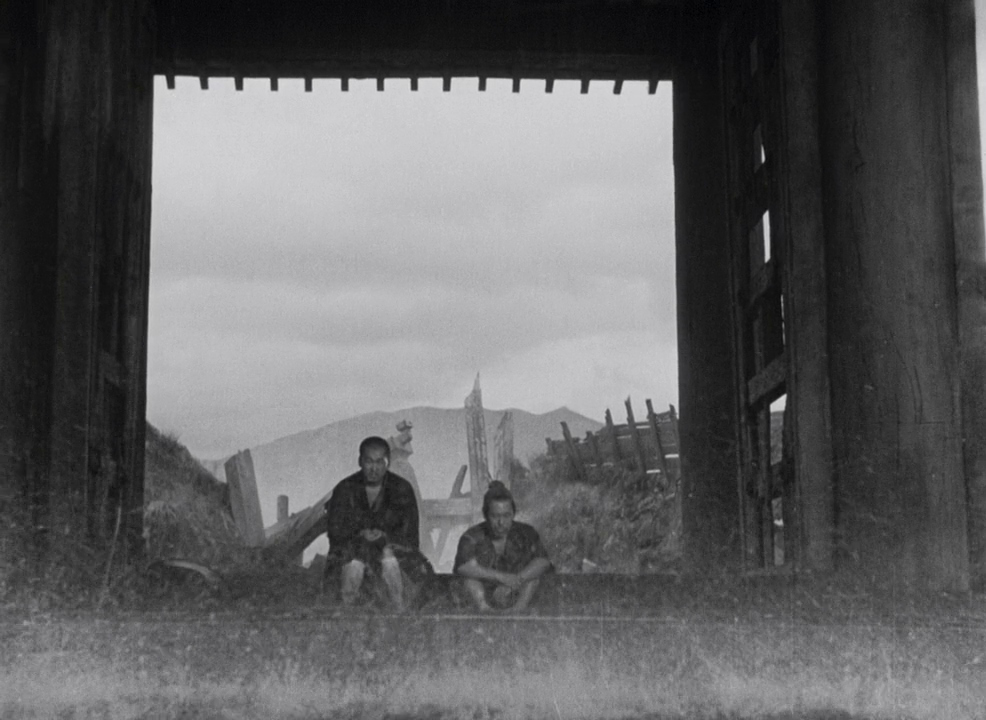
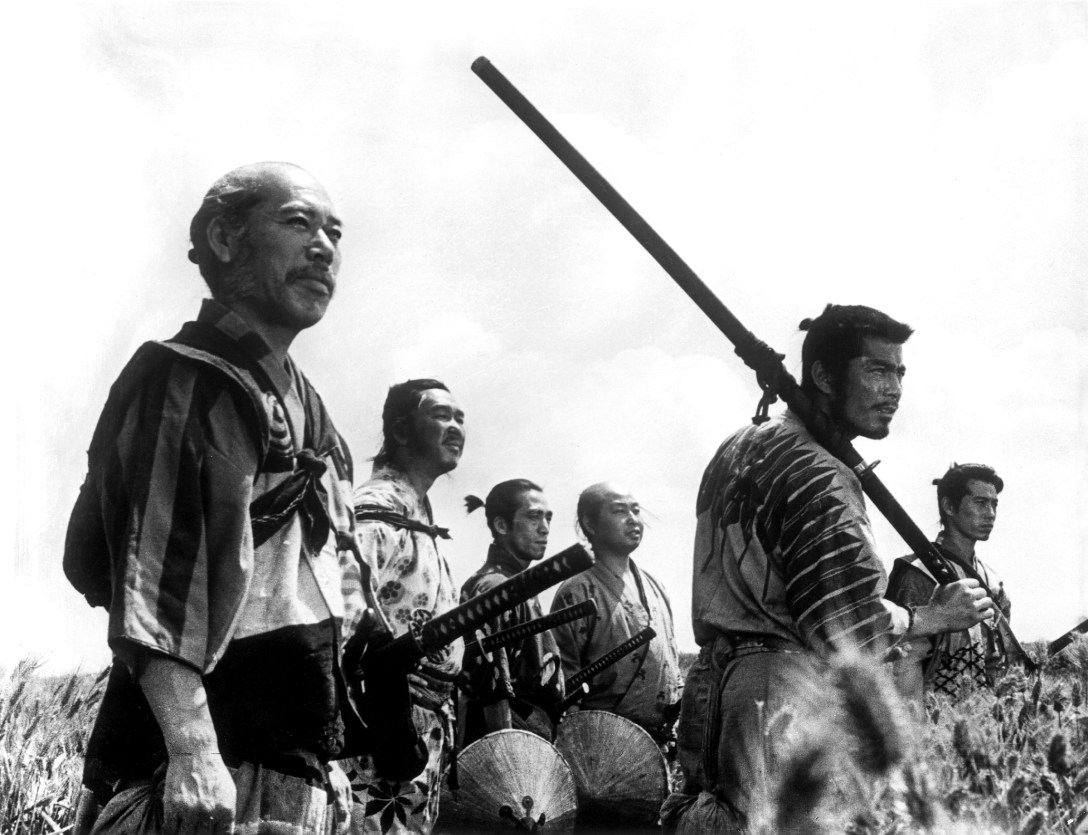
Don't bring a six-shooter to a katana fight. Samurai and Sombreros won our recent Twitter poll so Alex and Jonathan take a look at Akira Kurosawa's Seven Samurai (1954) and its western adaptation The Magnificent Seven (1960). We talk about archetypal stories, cultural influence on art, and using inspiration to create a new and distinct work. https://youtu.be/UFiZSP-1jDY… Continue reading Episode 11. Samurai and Sombreros

Episode 10. Mystical Miyazaki Feat. Hayden Chauffe

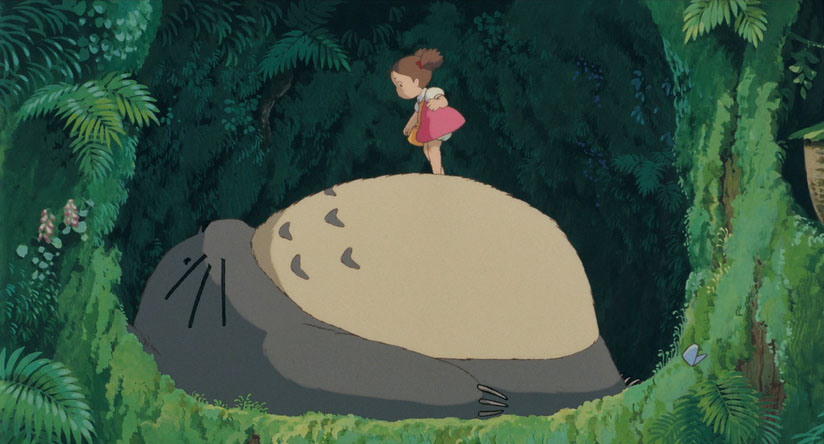
In our first exclusively animation episode, friend of the podcast Hayden Chauffe joins Alex to talk about three films by Japanese filmmaker Hayao Miyazaki: My Neighbor Totoro (1988), Spirited Away (2001), and The Wind Rises (2013). We discuss the unique possibilities of animation, children's entertainment that doesn't sugar coat the world, and reflection of Miyazaki's life in his… Continue reading Episode 10. Mystical Miyazaki Feat. Hayden Chauffe

Episode 9. The Whimsy and Woe of Wes Anderson

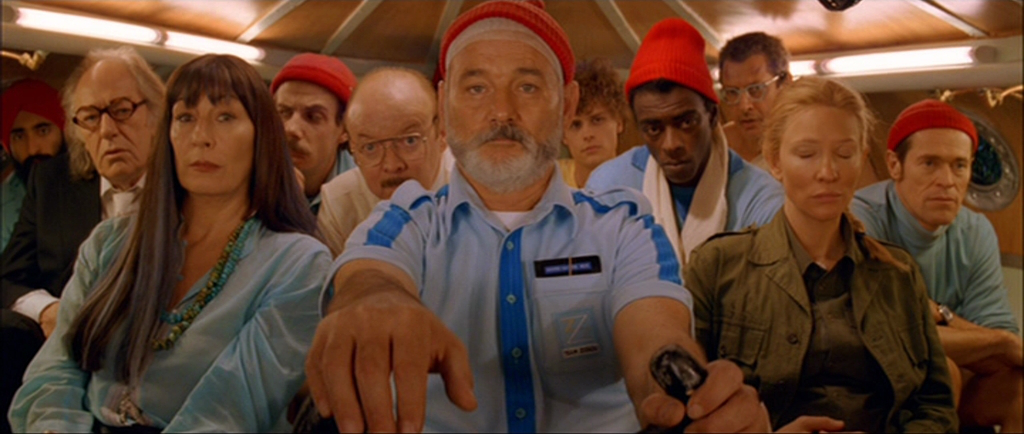
Wes Anderson takes a perfectly framed center-stage this week as Alex and Jonathan talk Rushmore (1998), The Life Aquatic with Steve Zissou (2004), and Moonrise Kingdom (2012). We discuss self-aware storytelling, how style can divert criticism, and the recycling of iconic art. https://youtu.be/SegPA0QxRWk?si=IxW2352l9ECaegdX https://open.spotify.com/episode/2OYVsgkQPFzcUuQvsbIQC7?si=Ew4f77vBRzywtutjZ_58ug Also on iTunes Skip to: Rushmore (6:36), The Life Aquatic (24:18), Moonrise Kingdom (43:10), Overall Notes (57:46), Coming… Continue reading Episode 9. The Whimsy and Woe of Wes Anderson

Episode 8. Oscar Bait or (The Unexpected Virtue of Tragedy)

In honor of the Oscars this past weekend Alex and Jonathan take a look back at the last three Best Picture winners at the Academy Awards: 12 Years a Slave (2013),  Birdman (2014), and Spotlight (2015). We discuss what kinds of films tend to seek out and win awards, the techniques these films employ, and… Continue reading Episode 8. Oscar Bait or (The Unexpected Virtue of Tragedy)

Episode 7. Holy Reboot, Batman! Feat. Aaron Johnson

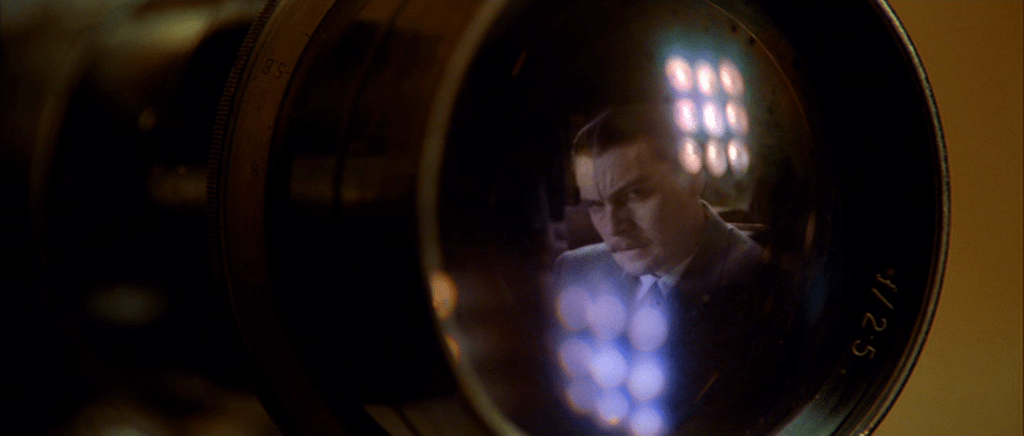
What makes sound, and is informative? The Filmlings film analysis podcast! Alex and Jonathan welcome their first guest, Aaron Johnson, to the podcast to talk about four major reboots of the cinematic portrayal of Batman: Batman: The Movie (1966), Batman (1989), Batman Begins (2005), and Batman v Superman: Dawn of Justice (2016). We talk about how the comics influence the… Continue reading Episode 7. Holy Reboot, Batman! Feat. Aaron Johnson

Episode 6. Pride and Prejudice (x3)

It is a truth universally acknowledged that a film buff in possession of some film knowledge must be in need of a film analysis podcast... Alex and Jonathan get a little sappy in this special Valentine's Day episode where we take a look at three (very) different film adaptations of Jane Austen's Pride and Prejudice:… Continue reading Episode 6. Pride and Prejudice (x3)

Episode 5. Nothin’ But Nolan

Alex and Jonathan are watching closely this week as we examine Christopher Nolan's technique and themes in Following (1998), The Prestige (2006), and Interstellar (2014). We discuss Nolan's "temporal cross-cutting" technique, obsessive characters, and how he ranks with other top directors. https://youtu.be/4hLxEDOeM4s?si=sSgqlFYvISyvcThW https://open.spotify.com/episode/1SuhQcIYhvUdQo6Wrn5RAP?si=g7Rd6pVEQ2C61Exs81nYjw Also on iTunes Resources referenced in this episode: Christopher Nolan on Following Interstellar Timeline Infographic Christopher Nolan Interview with Newsnight… Continue reading Episode 5. Nothin’ But Nolan

Episode 4. Lost at Sea

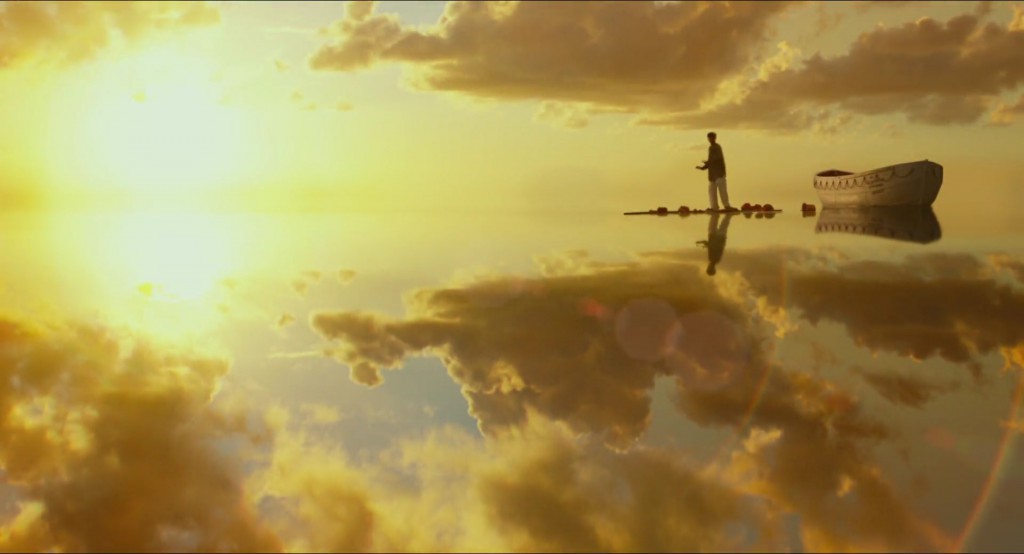
For our first week that focuses on a specific theme in films rather than a director, we dive right into three films which are structured around characters who are lost at sea: Lifeboat (1944), Life of Pi (2012), and All is Lost (2013). We talk about the ways film technology has made this type of film more accessible to both large… Continue reading Episode 4. Lost at Sea

Episode 3. Carruth’s Cerebral Cinema

This week on the Filmling's podcast Alex and Jonathan watched, and rewatched, the only two films directed by Shane Carruth: Primer (2004) and Upstream Color (2013). Both films are available on Netflix so go watch them before listening. In the episode we talk about cinema that engages the full attention of the audience, narrative that implies the plot… Continue reading Episode 3. Carruth’s Cerebral Cinema

Episode 2. Jumping into Jarmusch

We made it to week two of the podcast. This week we talk about the Jim Jarmusch films Stranger than Paradise (1984) and Broken Flowers (2005). https://youtu.be/Hvi0pudzVVY?si=_uZJ8Xz47XQUoSKB https://open.spotify.com/episode/1FHtRE1qw7JdyGO5JtyeSr?si=yLsR7m1vT8mr4j8aj46vqg Also on iTunes Here are resources we mentioned in the podcast: Film Comment Interview with Jim Jarmusch Alfred Hitchcock Explains Kuleshov Patterson Trailer Jonathan's Twitter: @JSSatchell Alex's Twitter: @AlexGeringer Next week's films… Continue reading Episode 2. Jumping into Jarmusch

Episode 1. Starting with Spielberg

Welcome to the first episode of The Filmlings Podcast! This is a brand new auditory adventure that I am undertaking with my long-time friend Alex Geringer. This podcast will be a way for us to explore and discuss cinema in all its dimensions. Here's how it works. Each week we will be watching two or… Continue reading Episode 1. Starting with Spielberg